
My Accessoires
Street photography is often about travelling light, staying alert and being ready when an unexpected moment unfolds. While the camera and lens form the heart of my setup, a small selection of carefully chosen accessories helps me work faster, more comfortably and with fewer distractions.
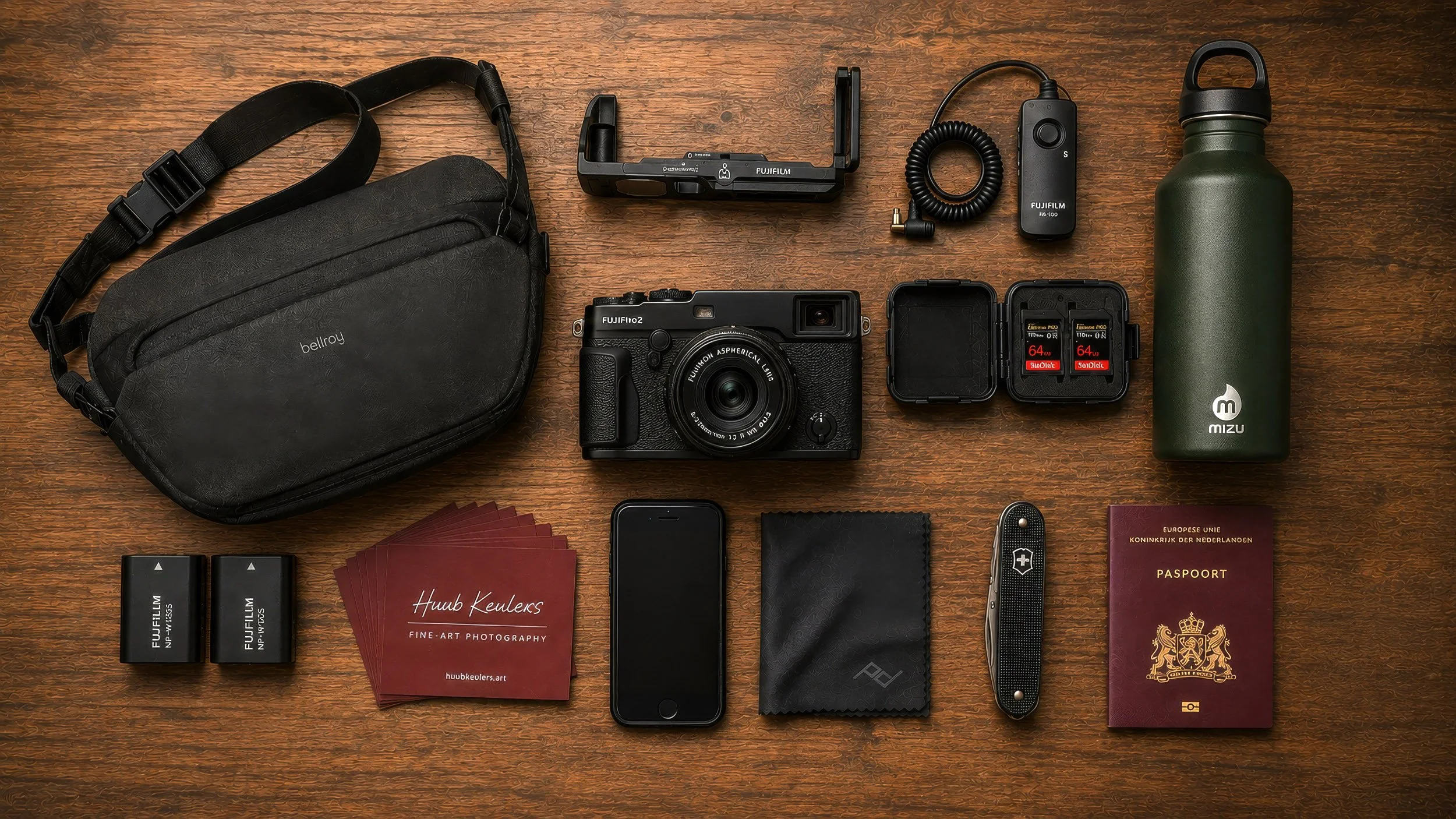
I regularly get asked questions about my photography gear. That is the reason I’ve compiled a list of my street photography accessoires. I don’t usually emphasize the gear aspect of my photography, but I hope this is helpful to someone. I am not sponsored. All my gear was acquired with my own funds.
Street photography has always taught me that less equipment often creates more freedom. When I walk through a city, I want my attention to be on people, light, movement and the small moments unfolding around me. The last thing I want is to be distracted by unnecessary equipment.
My camera and lens therefore form only the beginning of my street photography setup. Around them is a carefully selected collection of accessories that make working on the street easier, faster and more intuitive. Some are purely practical. Others give me new ways of interpreting what I see.
I also believe that accessories should never become a reason to carry more than necessary. Everything I take onto the street has to justify the space it occupies in my bag. It should solve a problem, make me more mobile or offer a genuine creative possibility. If it does none of those things, I probably do not need it.
Because ultimately, street photography is not about how much equipment you carry. It is about being present, recognising possibilities and being ready when an ordinary moment suddenly becomes a photograph.
PocketWizard PlusX
The PocketWizard PlusX is not only useful for triggering off-camera flashes — I can also use it to remotely trigger a camera, which opens up some interesting possibilities for sports and event photography.
With one PlusX connected to a remotely positioned camera using the appropriate remote camera cable, another PlusX can trigger the shutter wirelessly. This allows me to place a camera in a position where I cannot, or do not want to, stand myself.
For sports photography, this can be particularly interesting. I can position a second camera close to the action, use a wide-angle or different focal length, and capture an alternative perspective while photographing from another position with my main camera.
The system is deliberately simple. There is no remote control of exposure settings or autofocus points — it essentially provides a reliable wireless shutter release. Camera settings therefore need to be prepared beforehand.
For me, that simplicity is actually part of its strength: one photographer, two camera positions and the possibility of capturing the same moment from two completely different perspectives.
SmallRig 4160B L-Plate Bracket
The SmallRig 4160B L-Shape Mount Plate is one of those accessories that makes working with my Canon EOS R6 Mark II on a tripod noticeably easier. It allows me to switch quickly between horizontal and vertical compositions without having to tilt the tripod head sideways.
That may sound like a small advantage, but it keeps the camera positioned directly above the centre of the tripod. This gives me a better-balanced setup and means I hardly need to change my composition when switching orientation.
The Arca-Swiss compatible mounting surfaces also allow me to attach the camera directly to compatible tripod heads and clamps without adding a separate quick-release plate.
I particularly appreciate this for portraits, architecture, landscapes and other situations where I regularly alternate between horizontal and vertical framing.
For me, it is a simple accessory with a very practical benefit: faster changes in orientation, better balance and less time spent readjusting my tripod setup.
Canon RS-60E3 and Fujifilm RR-100 cable remote
Pressing the shutter button can introduce a tiny amount of camera movement. At normal shutter speeds this rarely matters. But when the camera is locked on a tripod and you're making exposures of several seconds, avoiding physical contact with the camera is preferable.
A cable release also lets you watch the scene instead of the camera. This is actually the bigger advantage for street and city scape photography. You can frame your composition, step slightly away from the camera. And observe people approaching, releasing the shutter at exactly the moment the elements come together.
Ulanzi folding tool set
The Ulanzi Folding Tool Set is a small accessory that has earned a permanent place in my camera bag. Camera equipment often involves screws, plates, cages, tripod heads and other accessories that occasionally need tightening or adjusting.
Instead of carrying several separate tools, this compact folding set gives me a selection of useful tools in one small package. It is particularly handy for making quick adjustments to tripod plates, camera accessories or support equipment while working on location.
It takes up hardly any space, but it can save a lot of frustration when something suddenly comes loose during an assignment.
For me, it is a typical “small tool, big convenience” accessory — one I may not need every day, but I’m always glad to have with me when I do.
Manfrotto 035 Super Clamp
For remote sports photography, I use the Manfrotto 035 Super Clamp together with the Manfrotto 244RC Variable Friction Magic Arm to position a camera in places where I cannot — or do not want to — stand myself.
The Super Clamp provides a solid attachment to a railing or other suitable fixed structure, while the Magic Arm gives me the freedom to position and angle the camera precisely. Once everything is locked, the camera can remain aimed at a predetermined part of the action and be triggered remotely.
This allows me to capture a completely different perspective at exactly the same moment I am photographing with my main camera.
For safety, I always use a separate safety wire as a secondary connection to the fixed structure. The clamp and arm position the camera; the safety wire provides the backup.
Manfrotto 244RC Magic Arm
For remote sports photography, I use the Manfrotto 035 Super Clamp together with the Manfrotto 244RC Variable Friction Magic Arm to position a camera in places where I cannot — or do not want to — stand myself.
The Super Clamp provides a solid attachment to a railing or other suitable fixed structure, while the Magic Arm gives me the freedom to position and angle the camera precisely. Once everything is locked, the camera can remain aimed at a predetermined part of the action and be triggered remotely.
This allows me to capture a completely different perspective at exactly the same moment I am photographing with my main camera.
For safety, I always use a separate safety wire as a secondary connection to the fixed structure. The clamp and arm position the camera; the safety wire provides the backup.
Walkstool Comfort 75
Sports photography often means spending hours along the edge of a field or arena, and standing all day is not always the best option. My Walkstool Comfort 75 gives me a comfortable seat while remaining portable enough to carry with my camera equipment.
For sports photography, sitting down has another important advantage: it naturally gives me a lower shooting position. This can make athletes appear more powerful and helps create a cleaner background, especially when photographing field sports from the sideline.
The Walkstool folds down quickly, so when the action moves, I can pick it up and change position without much effort. Its higher seating position also makes it easier to stand up quickly when I need to react.
For me, it combines two important benefits: more comfort during long assignments and a lower photographic perspective that can make sports images stronger.
ZGCINE Charging Case for Canon LP-E6 Batteries
With several Canon cameras in my kit, I always carry multiple batteries. The ZGCINE Charging Case gives me a practical way to keep my Canon LP-E6 series batteries together, protected and ready for the next assignment.
Instead of carrying separate batteries and a conventional charger, the case combines storage and charging in one compact solution. I can charge multiple compatible LP-E6 batteries together and easily check their charging status.
I particularly appreciate this when travelling or preparing for a long day of sports or event photography. I can charge my batteries beforehand, keep them organised in one place and simply put the complete case in my camera bag.
For me, it solves a very practical problem: fewer loose batteries, less clutter and a much easier way to keep my Canon cameras powered throughout the day.
Spare batteries
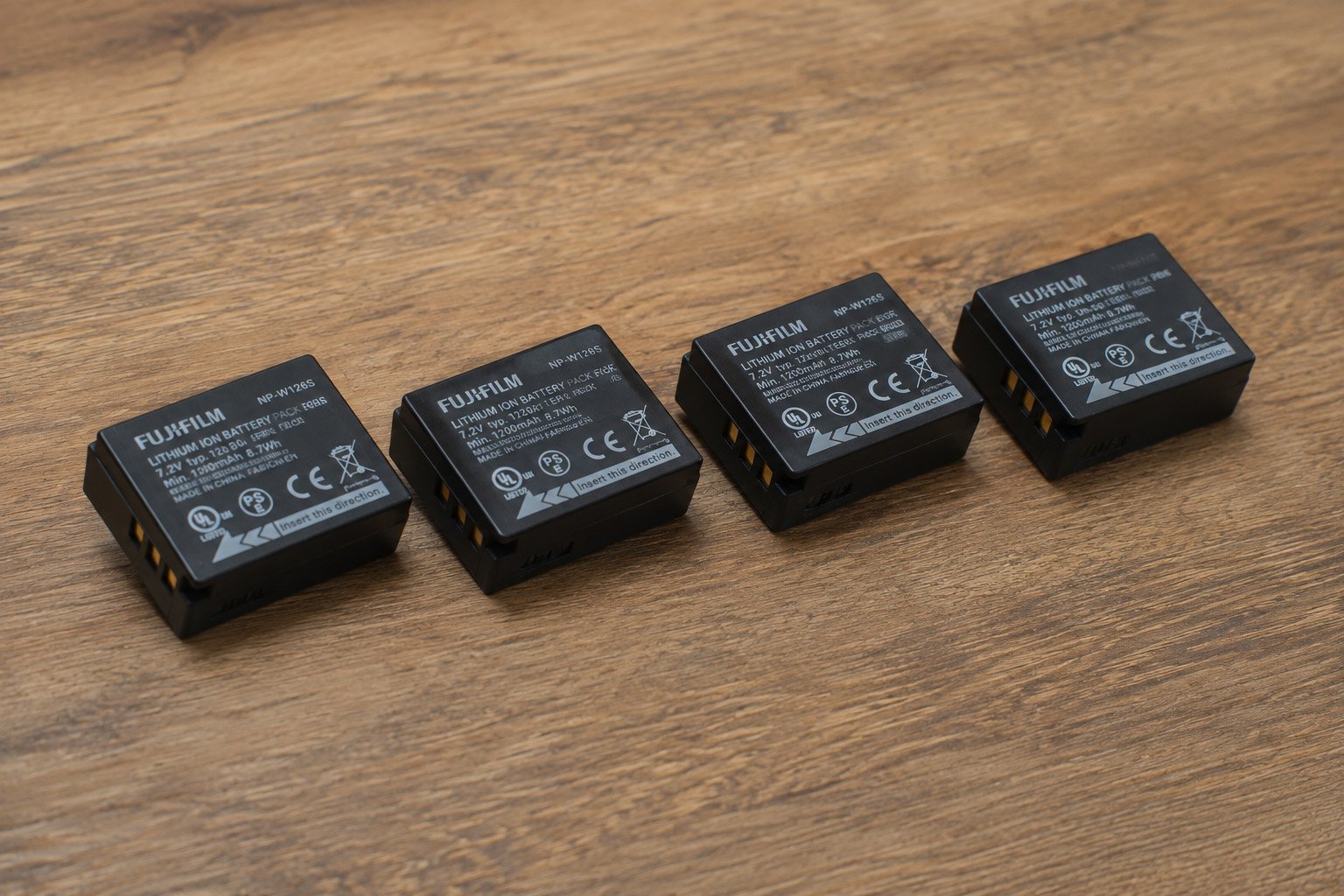
Spare camera batteries are one of the least exciting but most essential accessories I carry. They don't change the photograph creatively, but they ensure that I can keep photographing when the interesting moments arrive.
For street photography, spare batteries are especially important because I may spend many hours walking and observing without knowing when the best photographic opportunity will occur. Mirrorless cameras can consume considerable power through the electronic viewfinder, rear screen, autofocus and image stabilisation. Cold weather can reduce effective battery life even further.
Spare memory cards
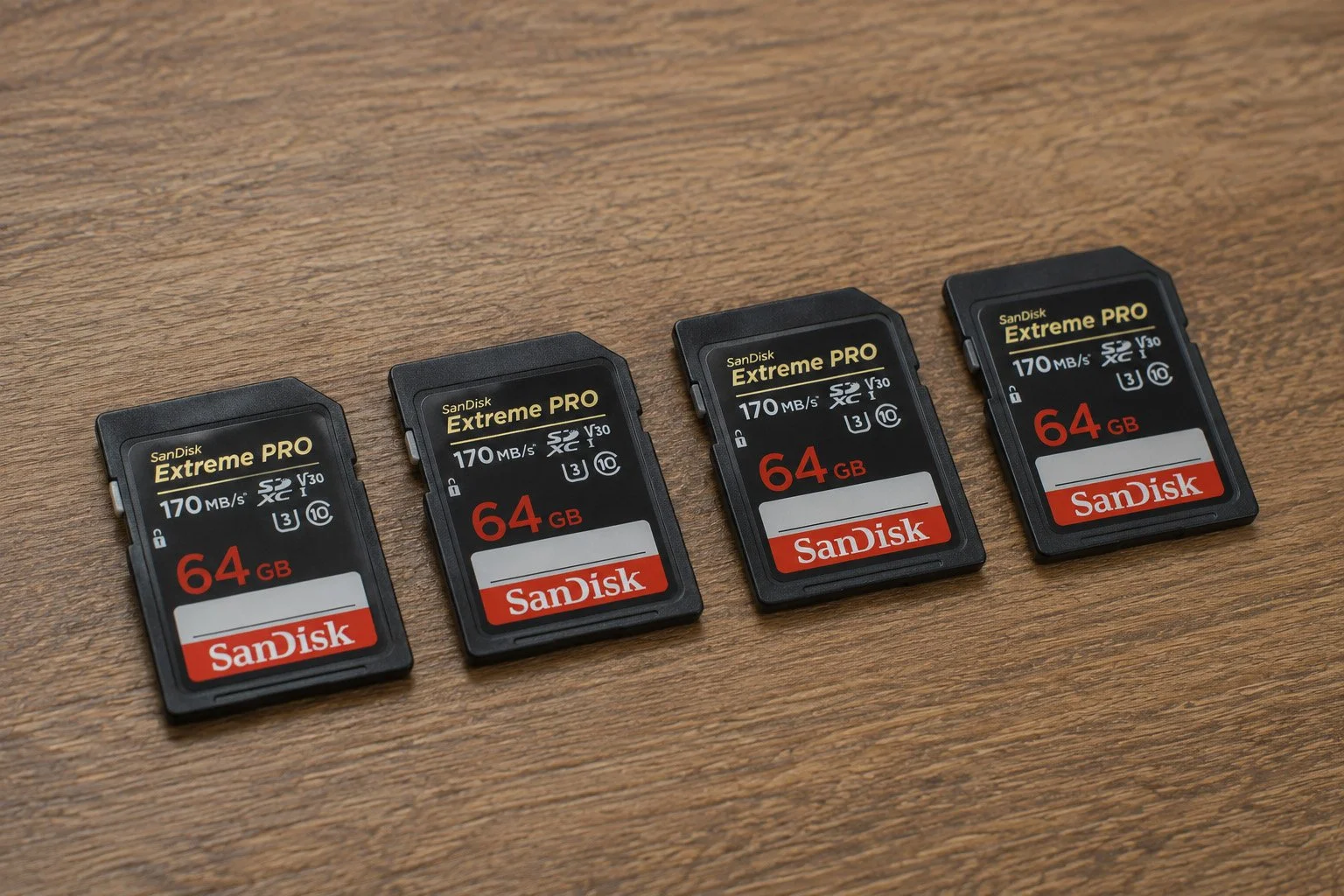
Spare memory cards are another small accessory that I consider essential whenever I go out photographing. They provide extra capacity, but more importantly, they give me a backup when a card becomes full, damaged or unexpectedly unreadable.
For street photography, I prefer carrying several reliable cards rather than one very large card. This allows me to spread photographs across multiple cards and reduces the risk of having an entire day’s work stored in one place.
For sports photography, spare cards are even more important because high-speed continuous shooting can generate hundreds or thousands of images during a single event.
Lens cloth
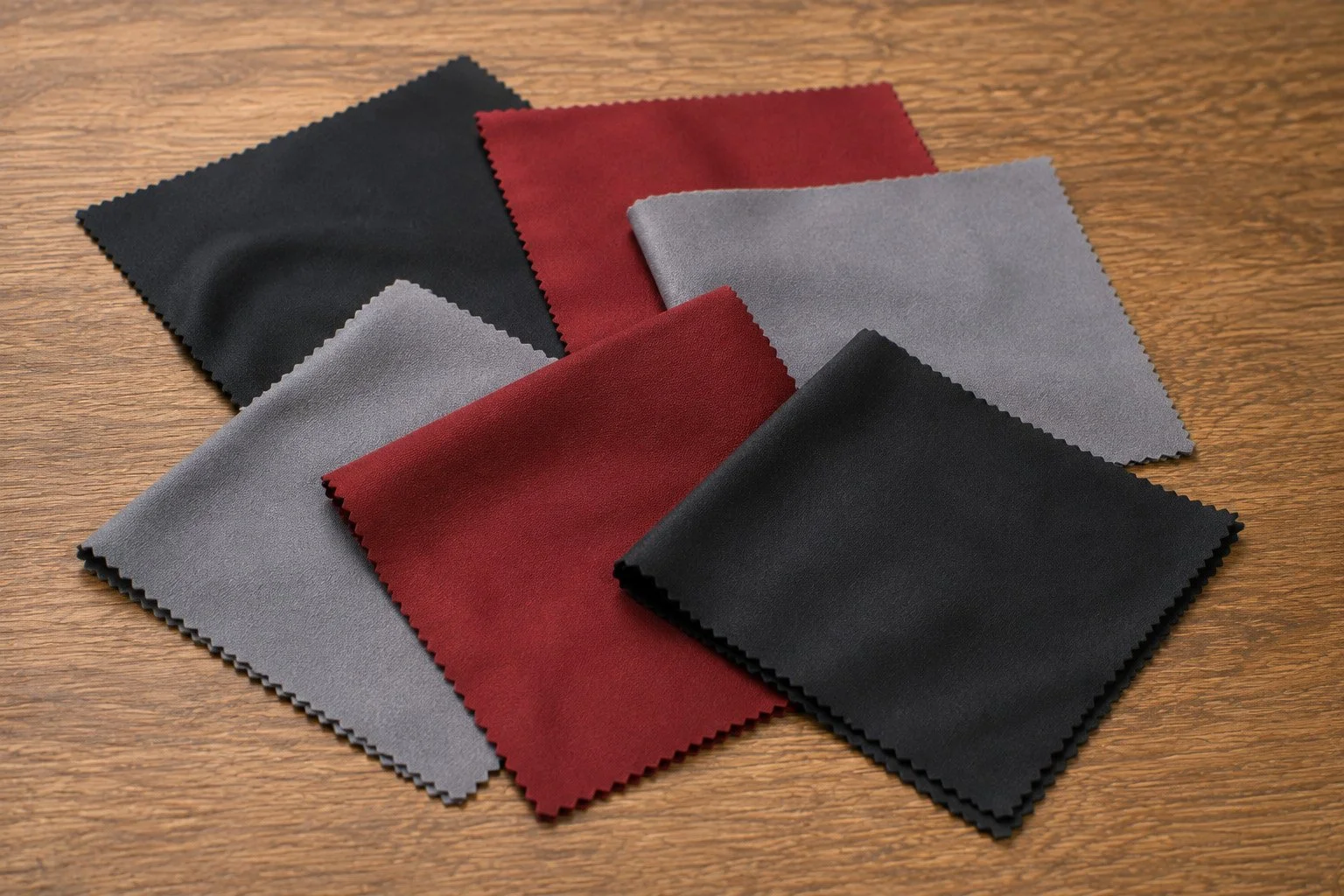
Lens cloths are among the smallest and simplest accessories in my camera bag, but also among the ones I use most frequently. A clean front element is especially important when photographing in strong sunlight, where fingerprints, dust or moisture can increase flare and reduce contrast.
It becomes particularly useful when photographing in rain or mist, when small droplets can quickly collect on the front element or filter. When shooting towards streetlights or the sun, even a small smear can become surprisingly visible in the final photograph.
I prefer carrying two or three individually stored microfiber cloths rather than relying on a single one. Once a cloth becomes wet or dirty, continuing to use it can simply move dirt around the lens instead of removing it.
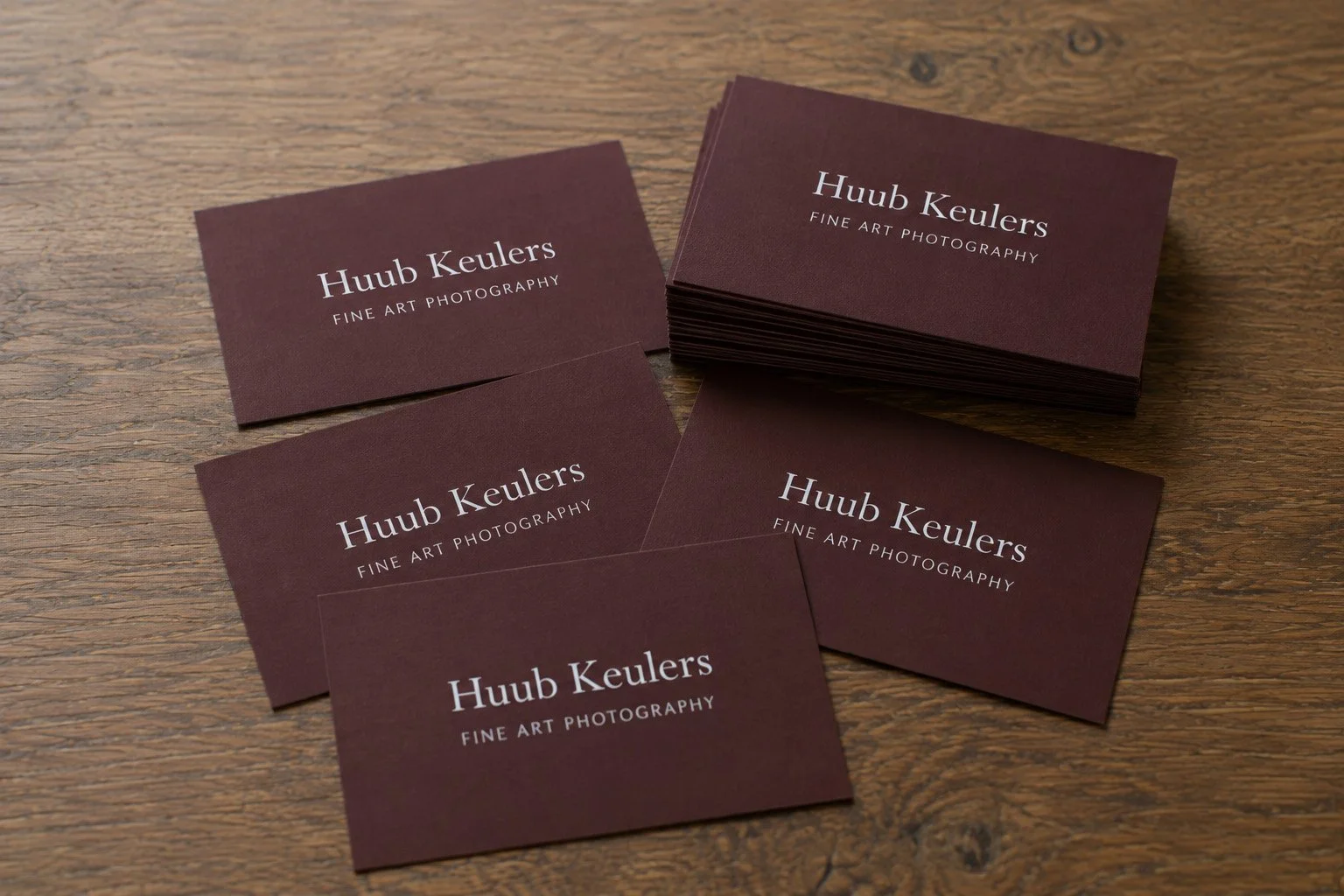
Business cards
Street and sports photography constantly bring me into contact with people, and sometimes a brief encounter develops into a conversation about my work. A business card provides a simple and personal way to share who I am and where my photography can be found.
I particularly value having a card available after photographing or speaking with someone. It allows people to discover my work afterwards and provides reassurance that there is a real photographer behind the camera.
Instead of exchanging details on a phone while working, I can simply hand someone a card and continue photographing.
3M Peltor X4 Ear protection
Motorsport photography can put me remarkably close to some very powerful machines — and with that comes serious noise. My 3M Peltor X4 Ear Defenders are therefore not just another accessory in my camera bag, but an important piece of personal protective equipment.
I use them when photographing motorsport and other racing events where I may spend long periods close to the track, pit lane or other areas with high noise levels. Hearing protection is particularly important because exposure is often not limited to a single loud moment; during an assignment, the noise can continue for hours.
What I like about the Peltor X4 is the combination of substantial hearing protection with a relatively slim profile. That matters when I am constantly bringing a camera to my eye, changing position and working with larger telephoto lenses.
As a professional photographer, protecting my equipment is important — but protecting myself is even more important. Cameras and lenses can be replaced. My hearing cannot.
3M Peltor X4 Ear protection
Motorsport photography can put me remarkably close to some very powerful machines — and with that comes serious noise. My 3M Peltor X4 Ear Defenders are therefore not just another accessory in my camera bag, but an important piece of personal protective equipment.
I use them when photographing motorsport and other racing events where I may spend long periods close to the track, pit lane or other areas with high noise levels. Hearing protection is particularly important because exposure is often not limited to a single loud moment; during an assignment, the noise can continue for hours.
What I like about the Peltor X4 is the combination of substantial hearing protection with a relatively slim profile. That matters when I am constantly bringing a camera to my eye, changing position and working with larger telephoto lenses.
As a professional photographer, protecting my equipment is important — but protecting myself is even more important. Cameras and lenses can be replaced. My hearing cannot.