
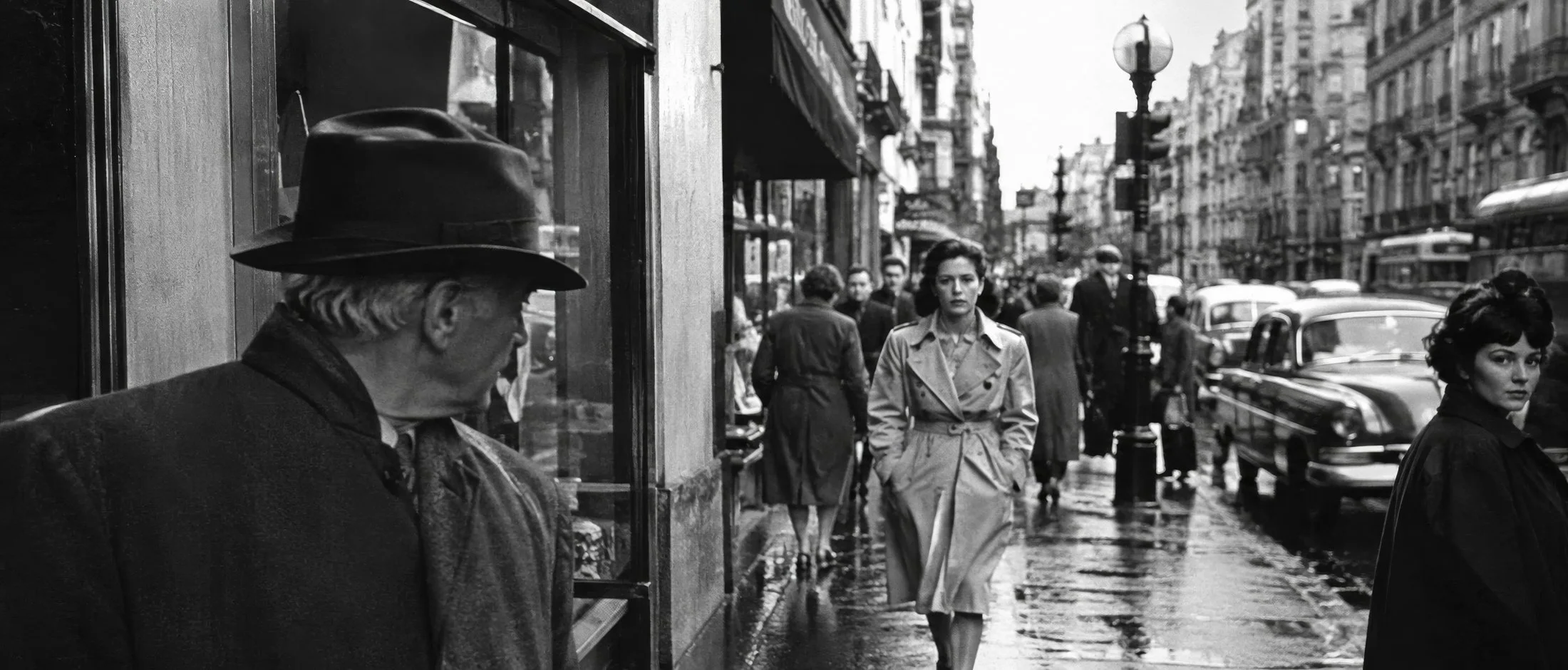
The History of Street Photography
How Street Photography Reflects the Way We Live
Street photography has always been more than simply photographing people in public spaces. It is a visual record of how we live, move and connect.
Looking at the history of street photography therefore means looking at the history of everyday life itself. Seen through the eyes of those photographers who chose to observe it.
At first glance, street photography seems remarkably simple: a photographer walks through the world with a camera and captures life as it unfolds. Yet behind that seemingly straightforward idea lies more than a century of technological innovation, social change and artistic evolution.
From the large and cumbersome cameras of the early twentieth century to the smartphone in our pocket today, the history of street photography is also a history of ourselves — of how we live, how we look at one another and how photographers have learned to recognise meaning in ordinary moments.
So let us take a journey through the fascinating history of street photography.
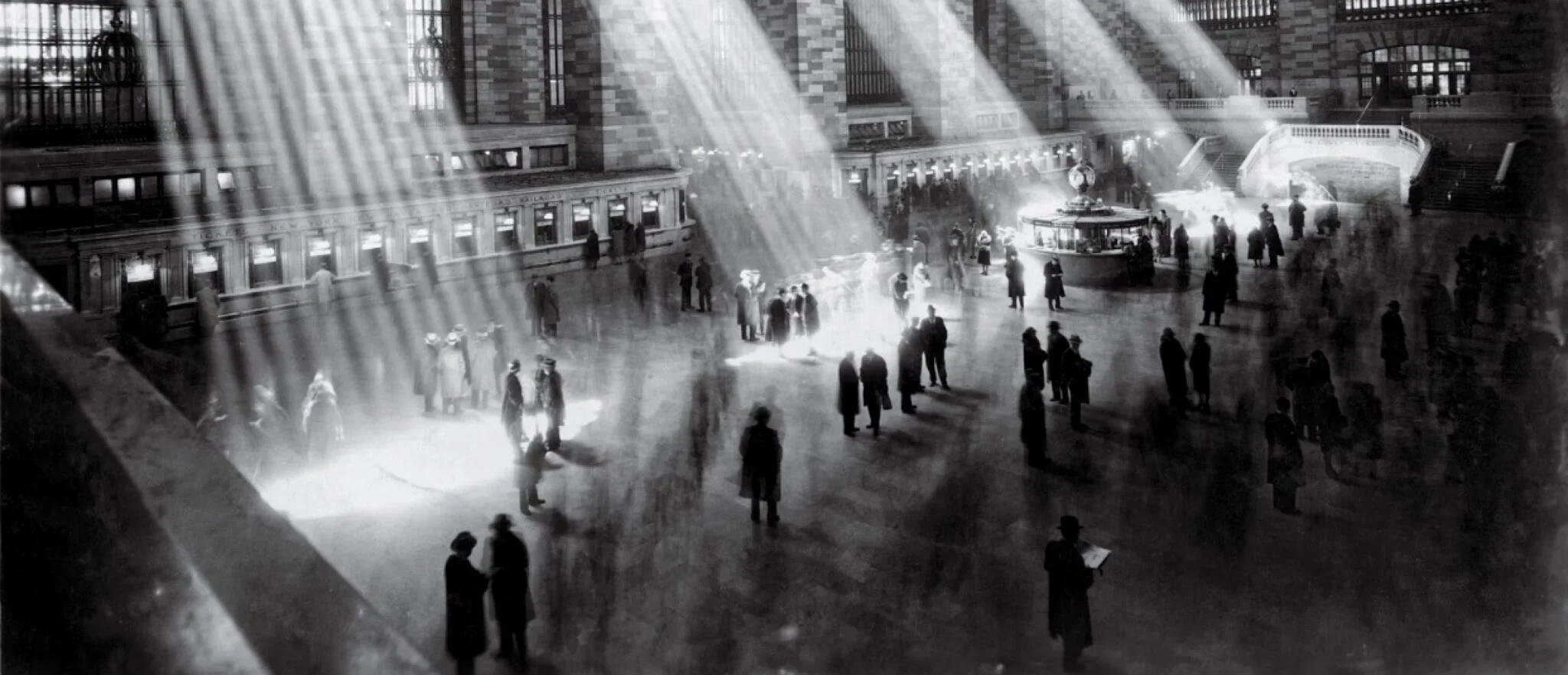
What Is Street Photography?
Street photography is about observing and capturing everyday life in public spaces without directing or staging what happens. It is not necessarily about the street itself. It is about real moments between people, light, movement and their surroundings. A glance, a gesture, an unexpected encounter — or perhaps a moment of complete stillness within the chaos of a city.
The strongest street photographs often reveal something we might otherwise have overlooked. They transform an ordinary fraction of a second into something worth looking at again.
The Street Photographer: Driven by Curiosity
Street photography has always been about more than photographing people in public spaces. At its heart, it is about observing life in all its unpredictability. Photographers such as Henri Cartier-Bresson, Vivian Maier and Garry Winogrand wandered through cities driven by curiosity and an almost insatiable hunger for the unexpected.
They were not necessarily searching for perfection. They were searching for meaning.
A stranger's expression.
An accidental encounter.
A gesture lasting less than a second.
A relationship between people who may never meet again.
A moment of tension hidden within everyday life.
Their photographs remind us that street photography begins long before we press the shutter. It begins with learning how to see.
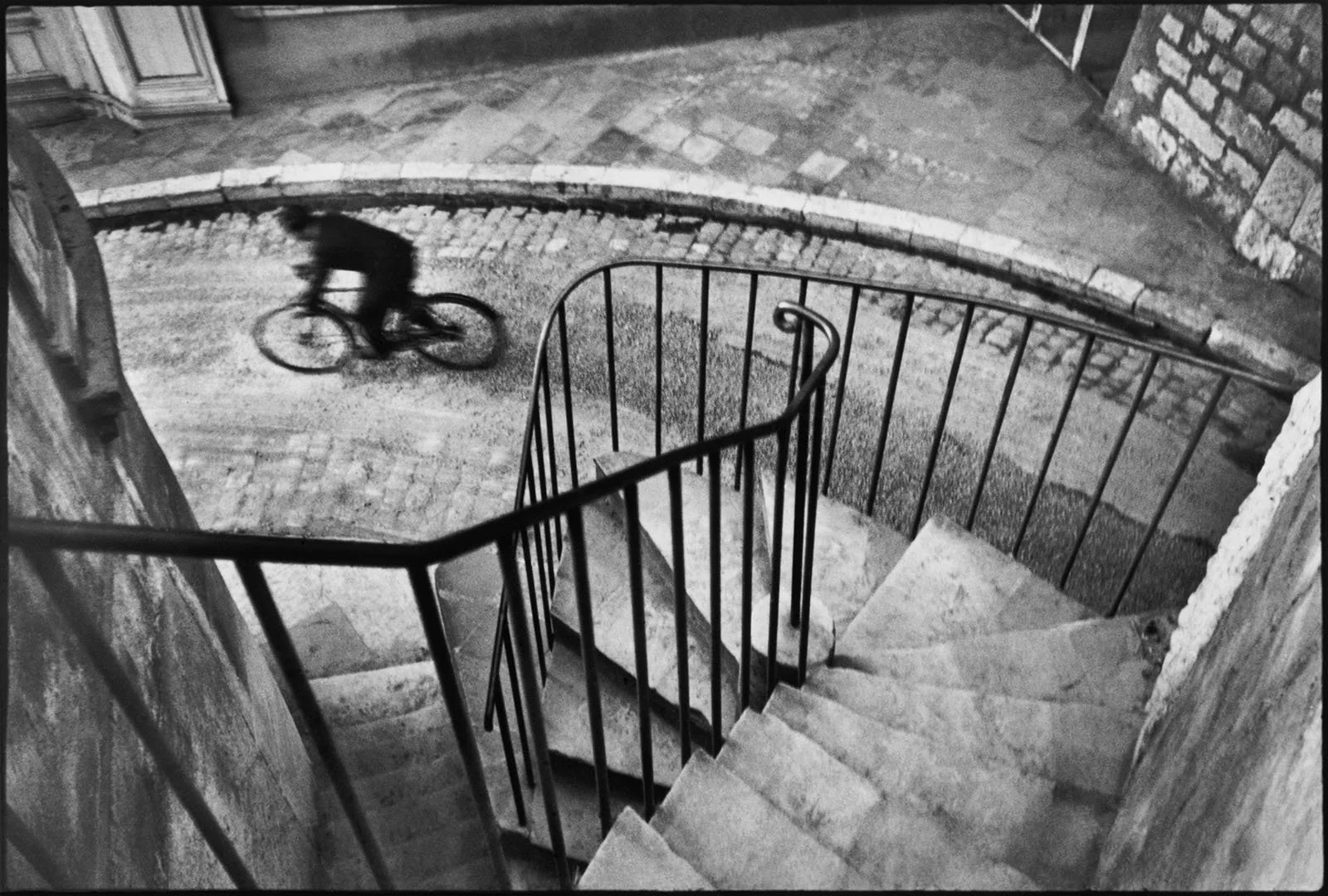
Henri Cartier-Bresson
The Var department. Hyères, France. 1932.
Source: Henri Cartier-Bresson | Magnum Photos
1900–1950: The City Becomes a Stage
At the beginning of the twentieth century, cities were changing rapidly. Streets became busier, cars appeared, populations grew and people increasingly became anonymous figures within the urban crowd. For photographers, this new world offered an extraordinary visual laboratory. Eugène Atget documented the streets, architecture and shopfronts of Paris. Later photographers such as André Kertész, Brassaï and Henri Cartier-Bresson began exploring the possibilities of photographing everyday life more spontaneously.
The street was no longer simply a place between buildings. It had become a stage on which modern life continuously performed. Photographers discovered beauty in things that previously seemed too ordinary to photograph: workers, market stalls, shop windows, pedestrians, shadows, reflections and fleeting encounters. These photographs did more than document buildings and people. They captured the atmosphere of a rapidly changing society in which tradition and modernity existed side by side.
Photography Was Still Unusual
Until around the 1920s, cameras remained relatively uncommon in everyday life. Being photographed could therefore attract curiosity — and sometimes suspicion. Photography was technically demanding. Cameras could be large, film was expensive and exposures were less forgiving than today. Posed photographs were consequently far more common than spontaneous ones.
With the development of smaller cameras, however, everything began to change. Photographers could move more freely through the streets and react more quickly to what was happening around them.
Privacy Was Hardly Part of the Conversation
By the 1930s, photographers increasingly began capturing people spontaneously. Questions surrounding privacy certainly existed, but they played a much smaller role in public discussion than they do today. Photography was often regarded primarily as documentation, journalism or art. During periods of war, however, photography acquired another dimension. Censorship, propaganda and personal danger became very real concerns for photographers working in public spaces.
Important Photographers of This Period
-
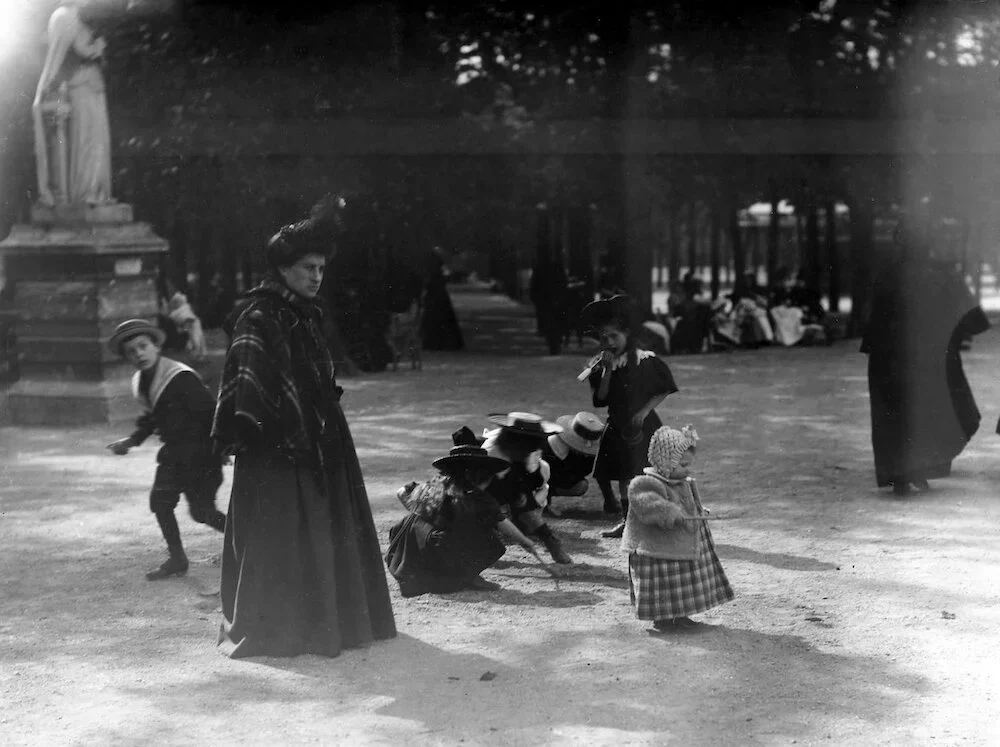
Eugène Atget — France
Atget systematically photographed Paris between the late nineteenth century and 1927. His images of empty streets, old buildings and shopfronts became enormously influential for later generations.
-
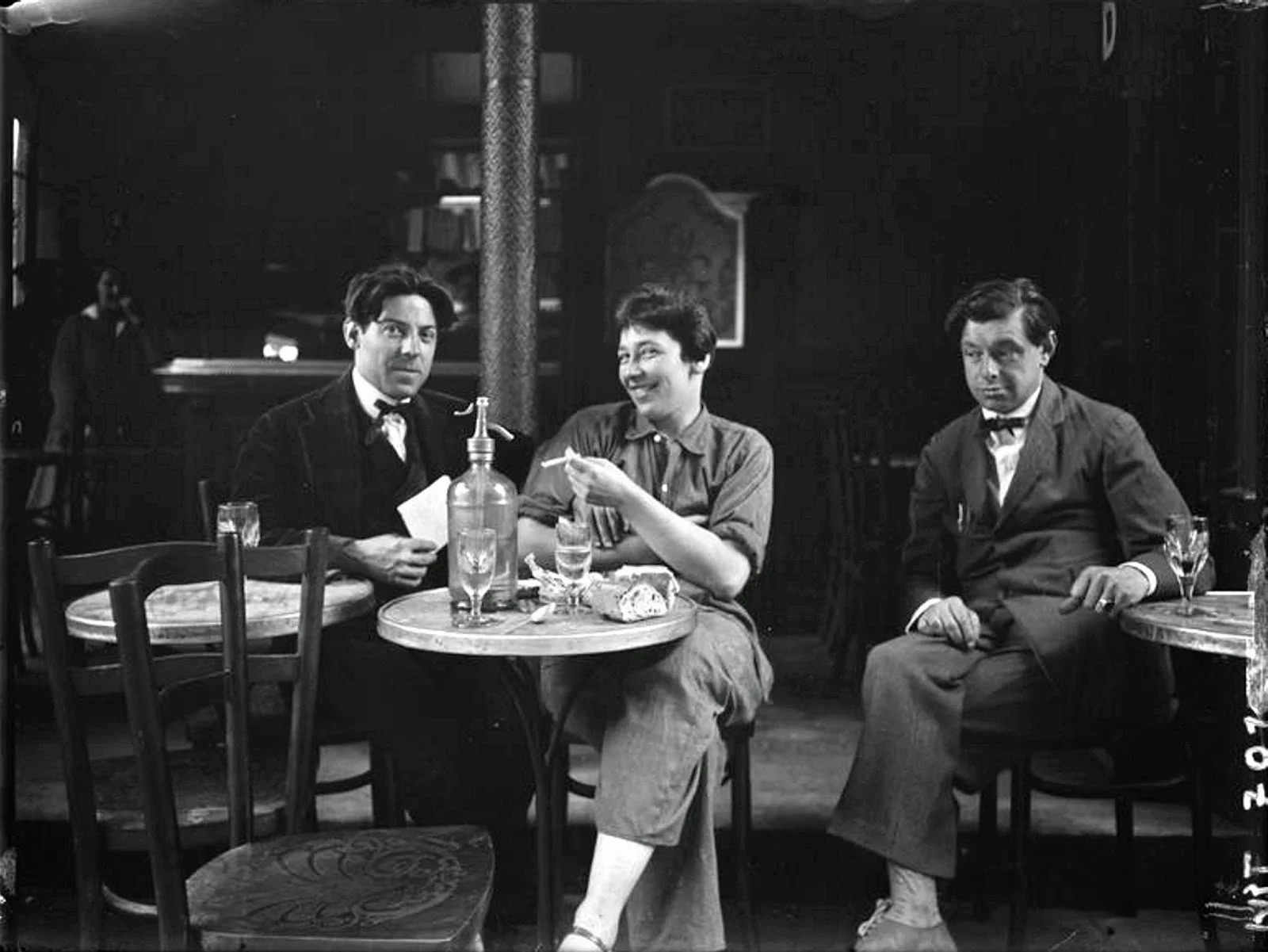
André Kertész — Hungary / France / United States
Known for poetic compositions and an intuitive ability to discover visual relationships within everyday life.
-
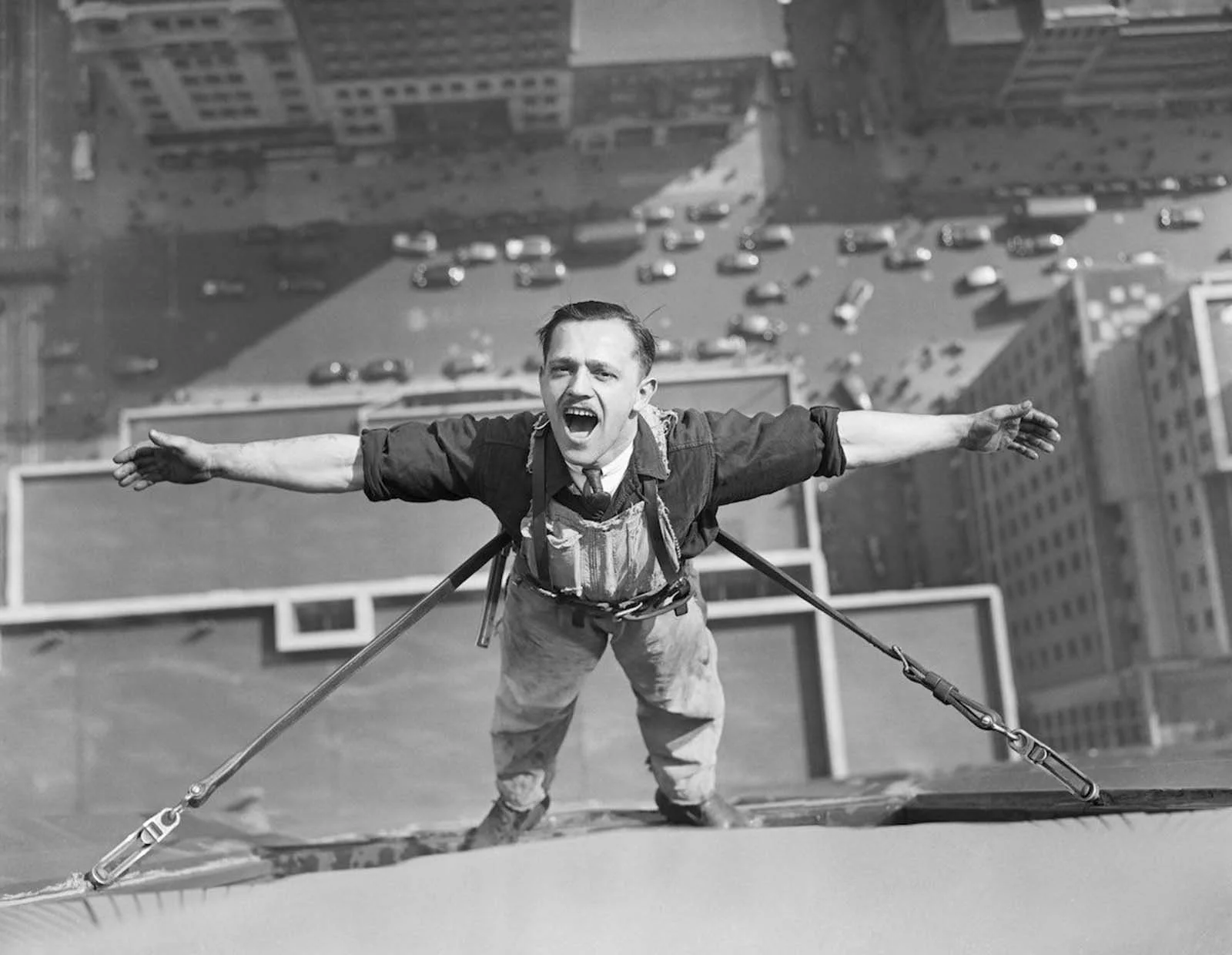
Lewis Hine - United States
One of the pioneers of social documentary photography. Hine used his camera to reveal the realities of working life, from child labour in early twentieth-century America to the workers constructing the Empire State Building. His photographs demonstrated that photography could do more than record history — it could help change society.
-
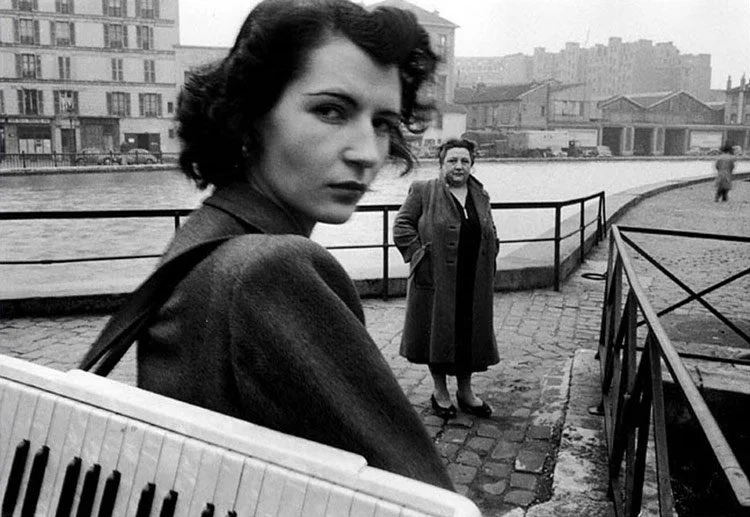
Brassaï — Hungary / France
Famous for his atmospheric photographs of Parisian nightlife, particularly his legendary Paris de Nuit.
-
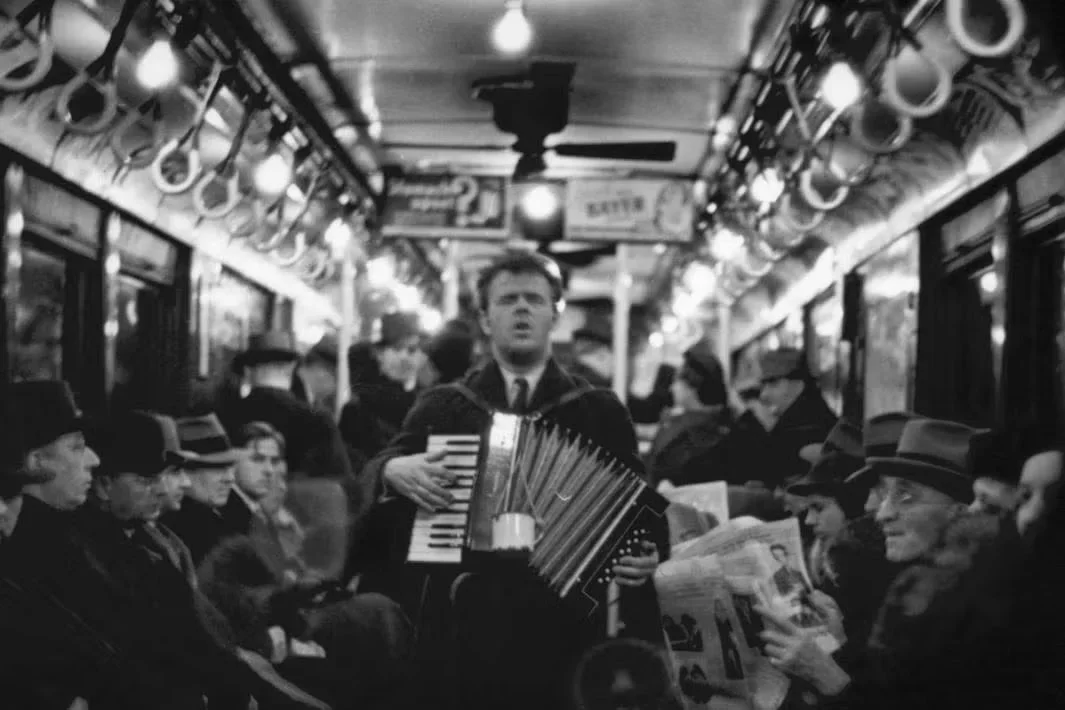
Walker Evans — United States
One of the most influential documentary photographers of the twentieth century, particularly known for his work during the Great Depression.
-
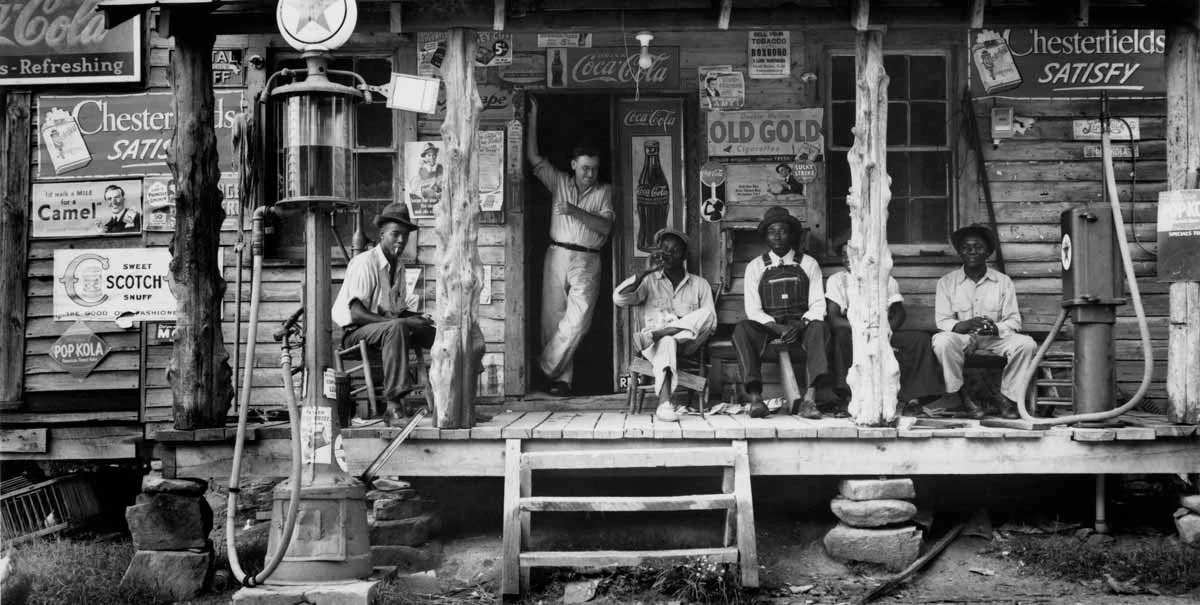
Dorothea Lange — United States
Her compassionate photographs of migrant families and workers — including the iconic Migrant Mother — became symbols of an era.
-
Eva Besnyö — Hungary / Netherlands
A socially engaged photographer who worked extensively in the Netherlands and became known for architecture, portraiture and street photography.
-
Henri Cartier-Bresson — France
Perhaps the photographer most closely associated with the idea of the decisive moment: recognising when composition, gesture and meaning briefly come together.
-
Robert Doisneau — France
Known for affectionate, humorous and deeply human observations of everyday Parisian life.
-
Alice Austen - United States
A true pioneer in street photography, long before that term existed. She captured New York city life: immigrants, workers, women on the street — but also playful and intimate moments from her own life. Her candid photos show a direct, human view of the world.
-
W. Eugene Smith — United States
A master of the photographic essay whose emotionally powerful work demonstrated how photography could tell complex human stories.
-
Helen Levitt — United States
Her poetic and playful photographs of children and neighbourhood life transformed the streets of New York into a theatre of everyday human behaviour.
-
Vivian Maier — United States
Largely unknown during her lifetime, Maier's remarkable photographs of Chicago and New York were discovered and celebrated posthumously.
-
Ruth Orkin — United States
Known for energetic and psychologically perceptive photographs of urban life.
-
Cas Oorthuys — Netherlands
An important Dutch documentary photographer who photographed war, reconstruction and everyday life, and was associated with De Ondergedoken Camera during the Second World War.
-
Emmy Andriesse — Netherlands
Also connected with De Ondergedoken Camera. Her photographs of the Dutch Hunger Winter of 1944–45 remain among the most powerful photographic documents of wartime Netherlands.
1950–2000: The Golden Age of Spontaneity
After the Second World War, society changed dramatically once again. Prosperity increased, leisure became more important and cities evolved into places of consumption, entertainment, protest and individual expression. Street photography flourished. Small 35mm cameras allowed photographers to move quickly and work relatively unobtrusively. The camera became less of an obstacle between photographer and subject.
Photographers such as Garry Winogrand, Robert Frank and William Klein did not simply photograph people. They photographed energy, uncertainty, humour, alienation and chaos. Their photographs were not always technically perfect. Some were tilted. Some were grainy. Some contained motion blur or extreme contrast. But that imperfection often made the photographs feel more alive. The street became a mirror of society — including all its contradictions.
Freedom and Respect Become Part of the Discussion
During this period, street photography increasingly became recognised as an art form. Museums, galleries, books and magazines began presenting photographs that might previously have been dismissed as ordinary snapshots. At the same time, another discussion became increasingly important:
Can we simply photograph strangers without asking permission? The relationship between artistic freedom, freedom of the press, privacy and personal dignity became more complicated. The camera might be legally permitted to observe, but photographers increasingly had to ask themselves another question:
Just because I can take this photograph, does that automatically mean I should? That question remains highly relevant today.
Colour, Complexity and New Ways of Seeing
Colour photography gradually transformed street photography as well. Photographers such as Joel Meyerowitz demonstrated that colour was not merely decorative. Colour itself could become an essential part of composition, timing and meaning. Later, Alex Webb pushed this idea even further. His densely layered photographs combine light, colour, gesture and multiple visual events within a single frame. Their work reminds us that extraordinary photographs do not necessarily require extraordinary events.
Sometimes everything we need is already present on an ordinary street corner. We simply have to notice it.
Important Photographers of This Period
-
Garry Winogrand - United States
One of the defining figures of American street photography. His spontaneous, sometimes chaotic compositions captured the energy and social contradictions of post-war America.
-
Robert Frank - Switzerland / United States
His groundbreaking book The Americans (1958) introduced a raw, personal and often critical vision of American society.
-
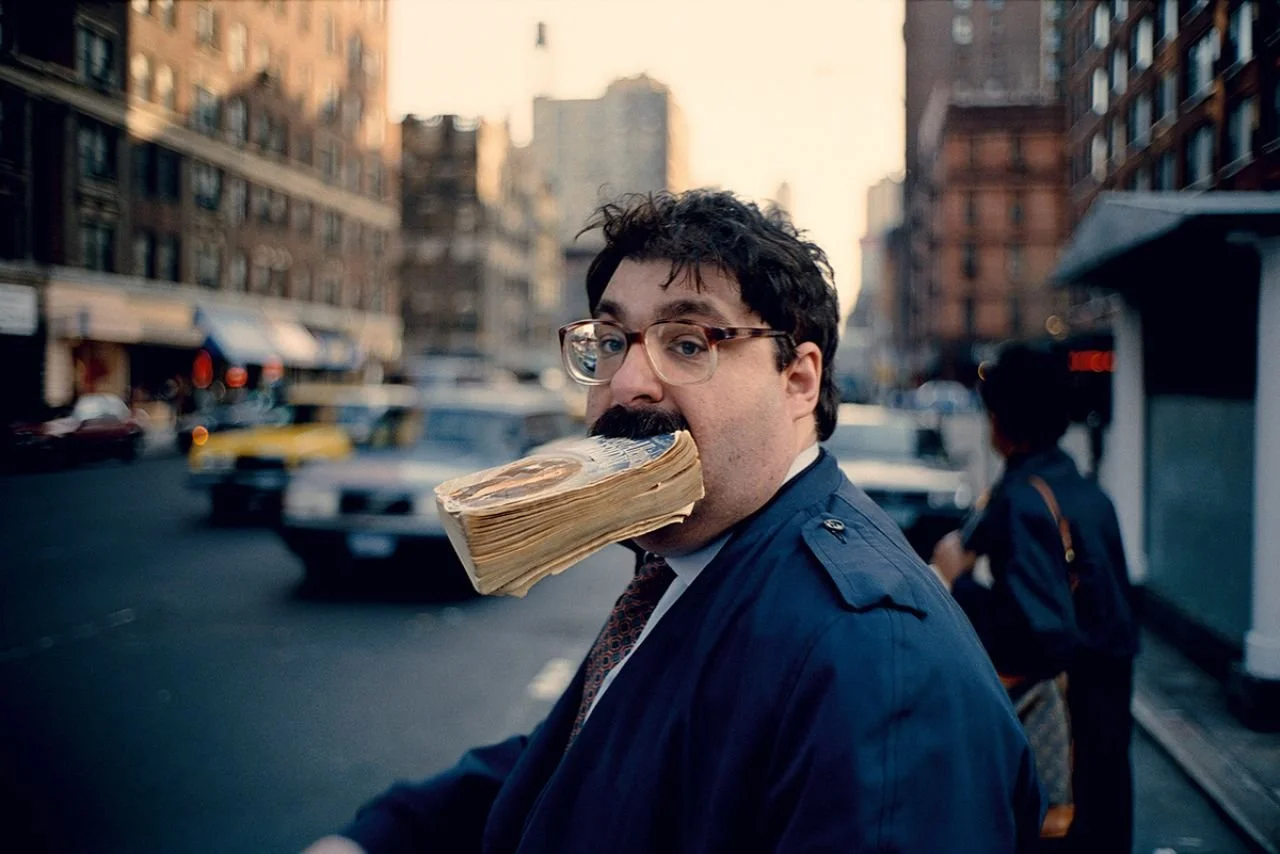
Joel Meyerowitz - United States
A pioneer of colour photography whose work explores light, timing and the unexpected visual relationships of everyday urban life.
-
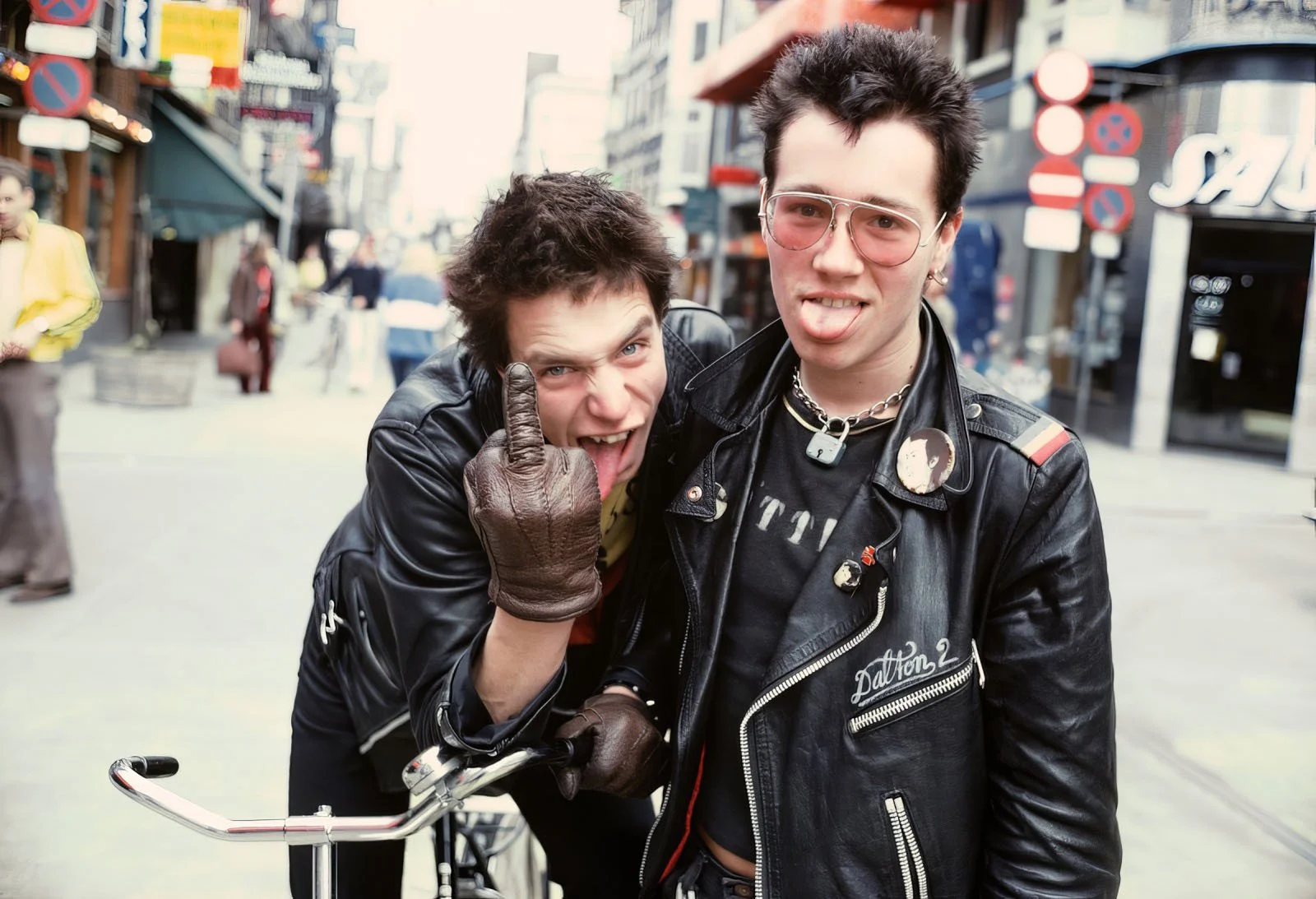
Ed van der Elsken - Netherlands
Perhaps the best-known Dutch street and documentary photographer. His intensely personal work combined observation with genuine involvement in the lives of the people he photographed.
-
Martin Parr - United Kingdom
Known for colourful, satirical observations of leisure, tourism, consumption and social behaviour.
-
Sebastião Salgado - Brazil
Best known for monumental black-and-white documentary projects exploring labour, migration, humanity and the environment.
-
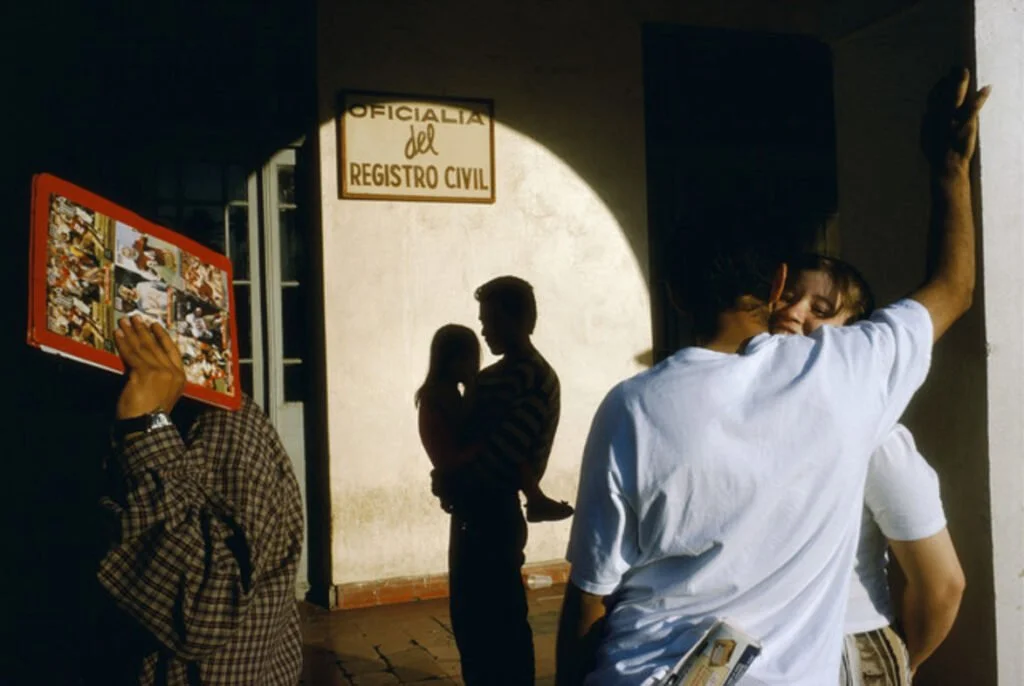
Alex Webb - United States
A master of complex, layered colour photography in which several moments can appear to unfold simultaneously within the frame.
2000–Present: The Digital and Global Revolution
The arrival of digital photography — and later the smartphone — changed street photography fundamentally. Suddenly there was no need to wait for film to be developed. Photographers could immediately review their images, make thousands of photographs at almost no additional cost and share them with a global audience within seconds.
And then social media changed everything again. Platforms such as Instagram and TikTok transformed photography into a worldwide visual conversation. A photograph made on a street in Maastricht, New York, Tokyo or Mumbai can potentially be seen around the world minutes later. Street photography became more accessible and democratic than ever before. But accessibility also created new challenges.
New Opportunities — and New Challenges
Today's photographers have extraordinary opportunities. Almost anyone can document their environment. Voices and perspectives that were previously overlooked can reach international audiences. Photographers can discover each other's work regardless of geography, language or background. At the same time, street photography faces new questions.
Privacy legislation has become increasingly important. Billions of photographs are created and shared, making it harder to produce images that genuinely surprise us. Digital manipulation — and increasingly artificial intelligence — raises new questions about authenticity.
What exactly are we looking at?
Did this moment really happen?
And how much alteration can a photograph tolerate before it stops being a document of reality?
Yet these developments also offer enormous creative possibilities. Contemporary photographers combine photography with video, sound, text and multimedia storytelling. Others experiment with abstraction, movement, unconventional perspectives and digital techniques. Street photography is no longer simply observation. It can also be interpretation, social commentary, poetry and activism. The street itself has expanded beyond the physical world. Today, our public lives exist both offline and online.
Finding the Balance Between Ethics and Law
Perhaps one of the most important challenges facing today's street photographer is finding a balance between what is legally permitted and what feels ethically responsible. Those two things are not always the same. A photographer may have the legal right to make a photograph in a public place, while the person being photographed may feel uncomfortable about being included in it. There is no simple formula that solves every situation. Street photography therefore requires more than technical ability. It asks photographers to develop judgement, empathy and awareness.
The question is no longer simply: Can I take this photograph?
Sometimes the more important question is: Why do I want to take it?
Important Contemporary Photographers
-
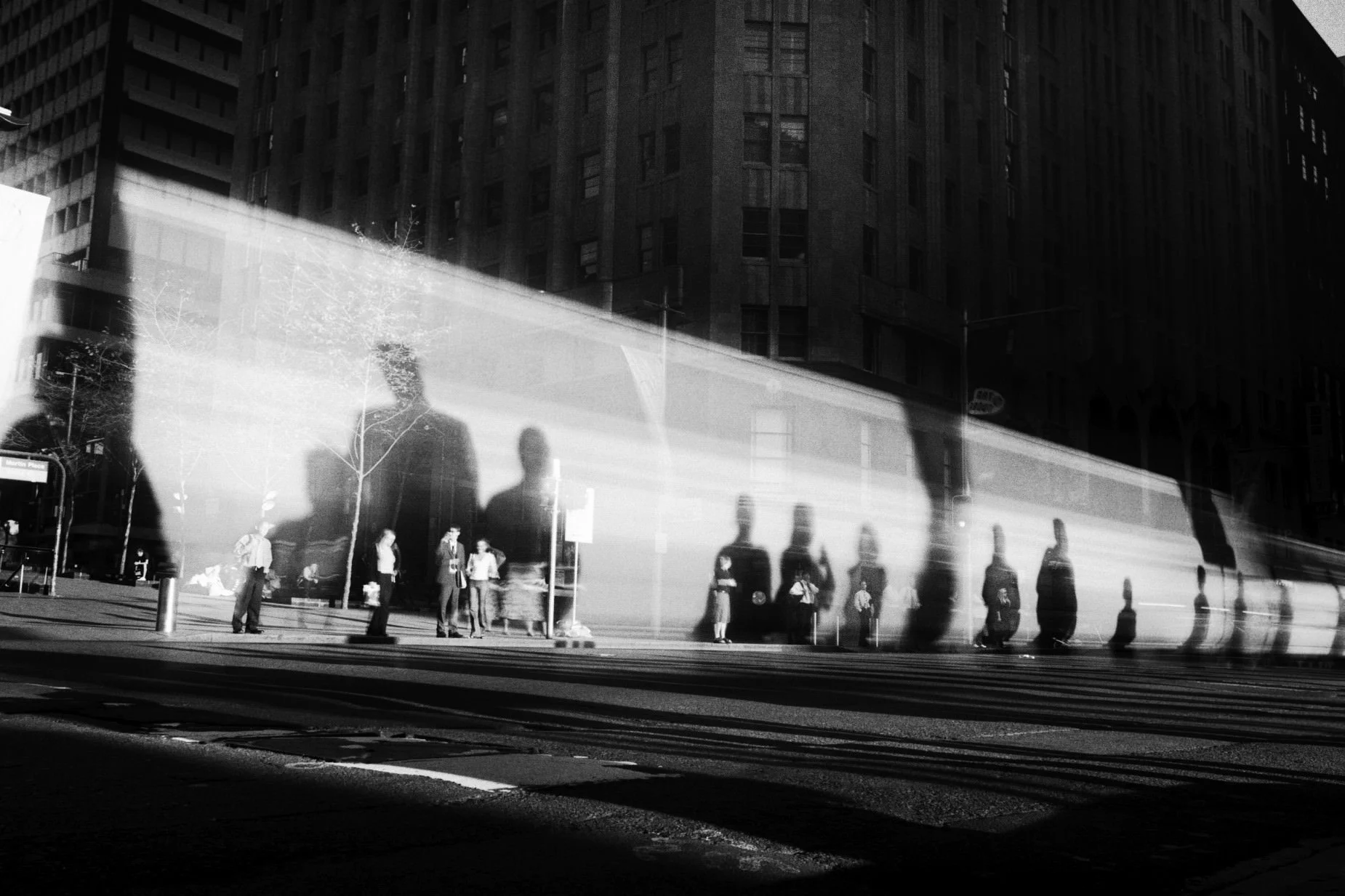
Trent Parke - Australia
Known for expressive black-and-white photography filled with dramatic light, movement and emotional intensity.
-
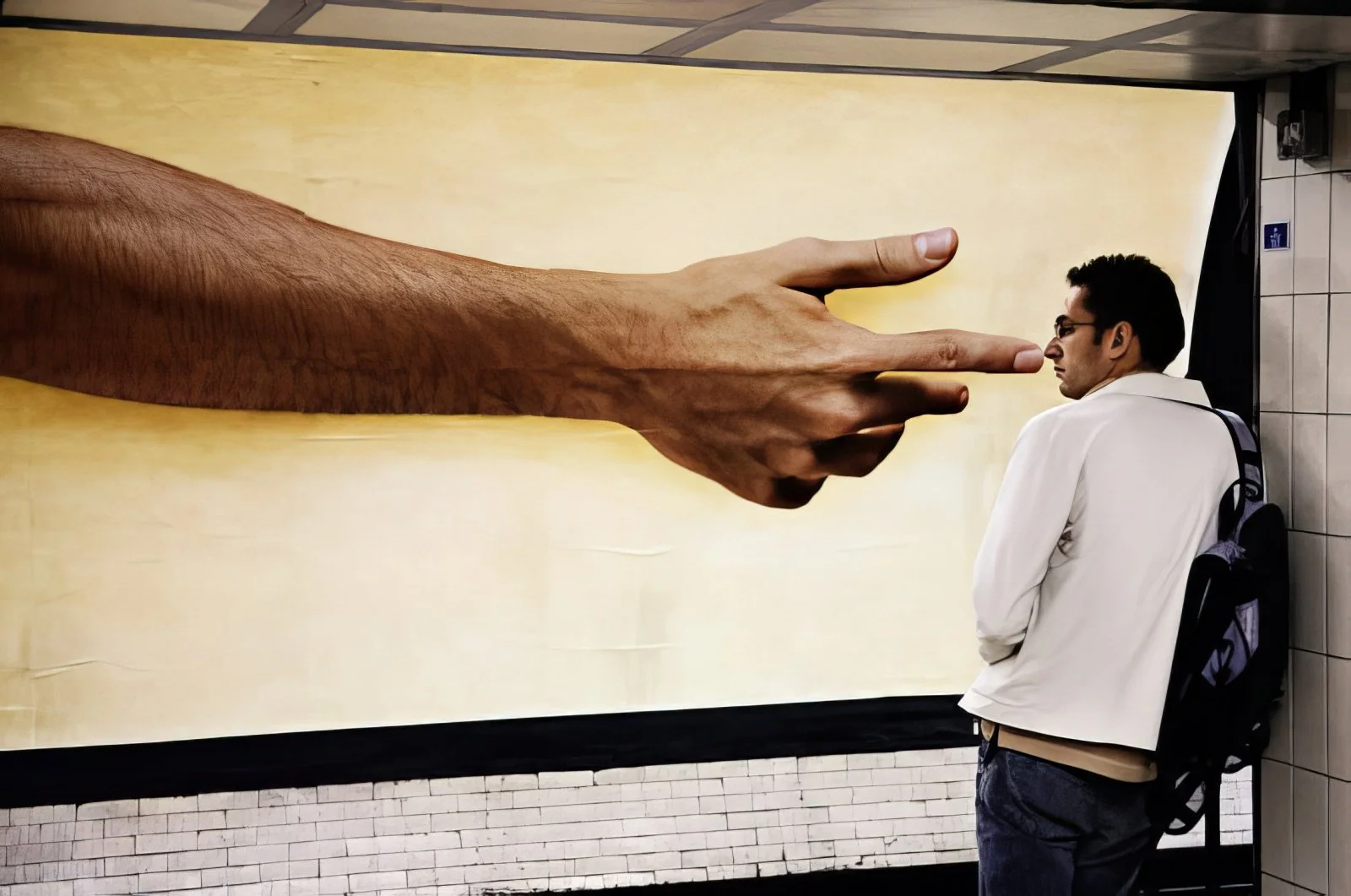
Matt Stuart - United Kingdom
A master of observation, humour and timing whose photographs reveal surprising relationships within ordinary situations.
-
Rui Palha - Portugal
Known for atmospheric black-and-white street photography rooted in the classical humanist tradition.
-
Joel Sternfeld - United States
An influential colour photographer whose work explores American landscapes, communities and social structures.
-
Sohrab Hura — India
Combines documentary observation with deeply personal and poetic storytelling.
-
Michele Palazzo - Italy / United States
A documentary photographer exploring contemporary themes including family, migration, intimacy and identity.
-
Julie Hrudová - Czech Republic / Netherlands
Amsterdam-based street and documentary photographer known for her sharp observation of everyday life. Her photographs often reveal humour, visual coincidences and moments of absurdity hidden within ordinary urban situations. Through projects such as Chasing Amsterdam and StreetRepeat, she explores not only what happens in public space, but also how photographers learn to recognise recurring patterns and unexpected connections.
“Whatever it is, the way you tell your story online can make all the difference.”
— Quote Source