
What is Fine Art Photography?
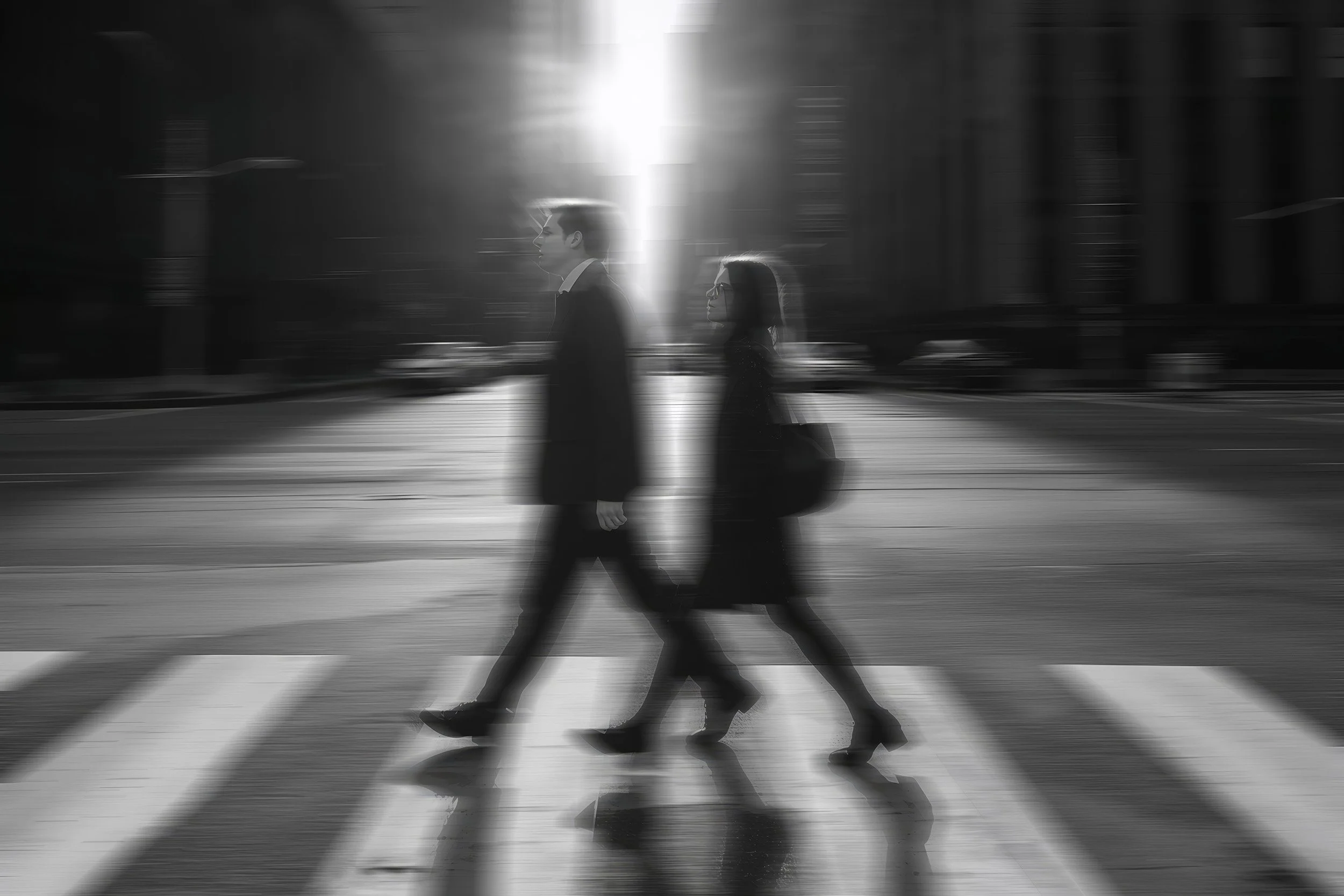
Every Moment Is Already Memory
When a photographer’s work extends beyond content that is literally in front of the camera and expresses the artist’s unique ideas, emotions, messages, or creative vision, the result is fine art photography. In this framing, photography is primarily an outlet for artistic expression, and the photographs emphasize aesthetics and imagination. Fine art images convey more than just what the camera sees – they express what the artist sees.
Usually, fine art photographs are the result of a process that is considered and intentional, not images taken at random. The photographer combines artistic elements and principles such as light, space, balance, line, color, depth, texture, and form to create art meant to evoke emotion and thought from an audience. The work of fine art photographer Huub Keulers is an excellent example of fine art photography and the ways it impacts people.
Fine art photography is more than capturing what stands in front of the camera. It is a form of artistic expression in which the photograph is created to communicate an idea, emotion or personal vision rather than simply document reality.
Unlike documentary or commercial photography, the starting point is not the subject itself but the photographer's intention. Every choice—from composition and light to timing, colour, movement and post-processing—is made to support that artistic vision. The camera becomes a creative tool, allowing the photographer to transform an observation into a meaningful work of art.
What makes fine art photography unique is not the subject being photographed, but the perspective behind it. Two photographers can stand in the same place and create entirely different images because each interprets the world through their own experiences, emotions and imagination.
For viewers, fine art photography offers more than a record of a moment. It invites reflection, evokes emotion and encourages personal interpretation. It is appreciated not only for its technical quality, but for the story it tells, the questions it raises and the lasting connection it creates between the artist, the image and the viewer.