The Motion
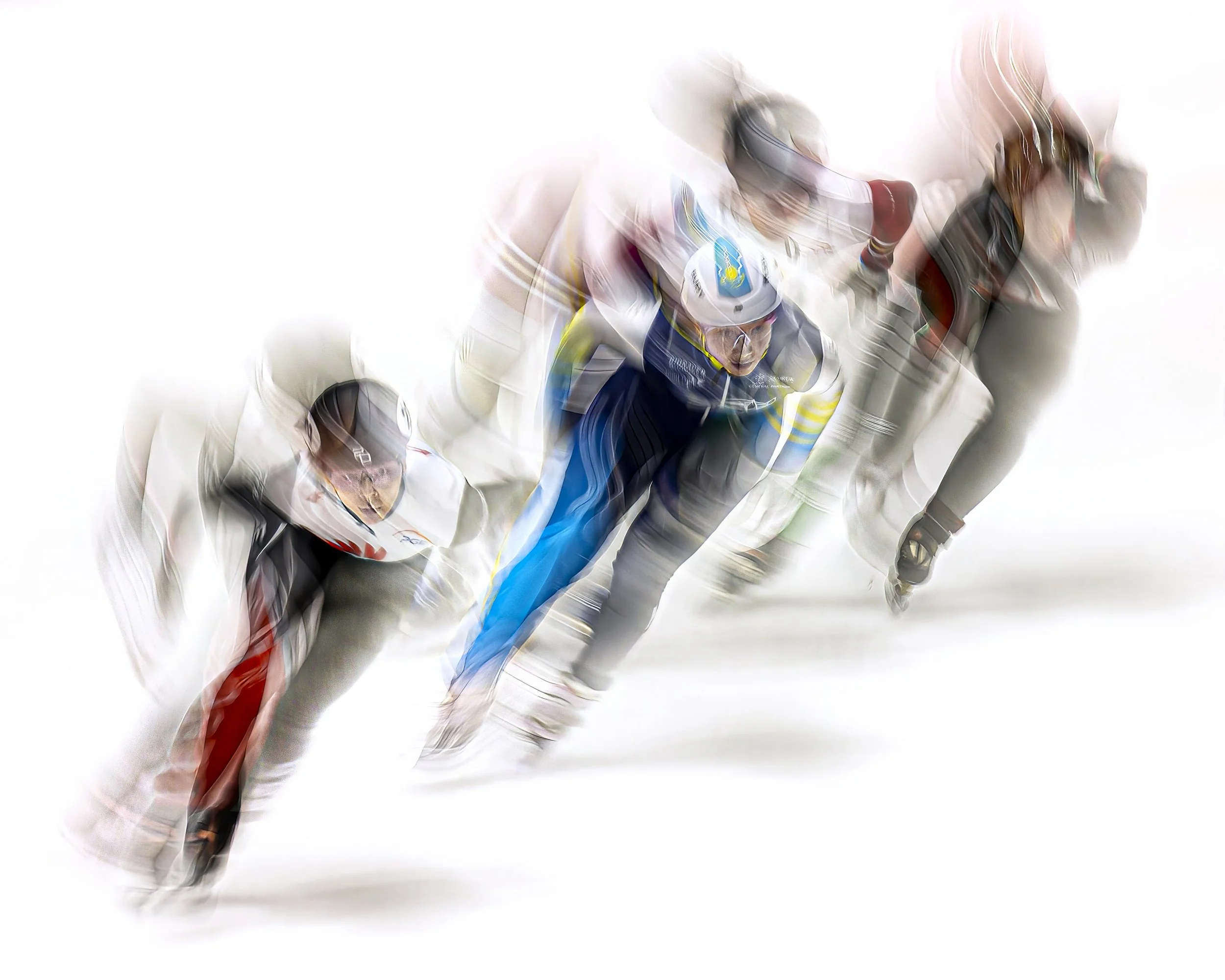
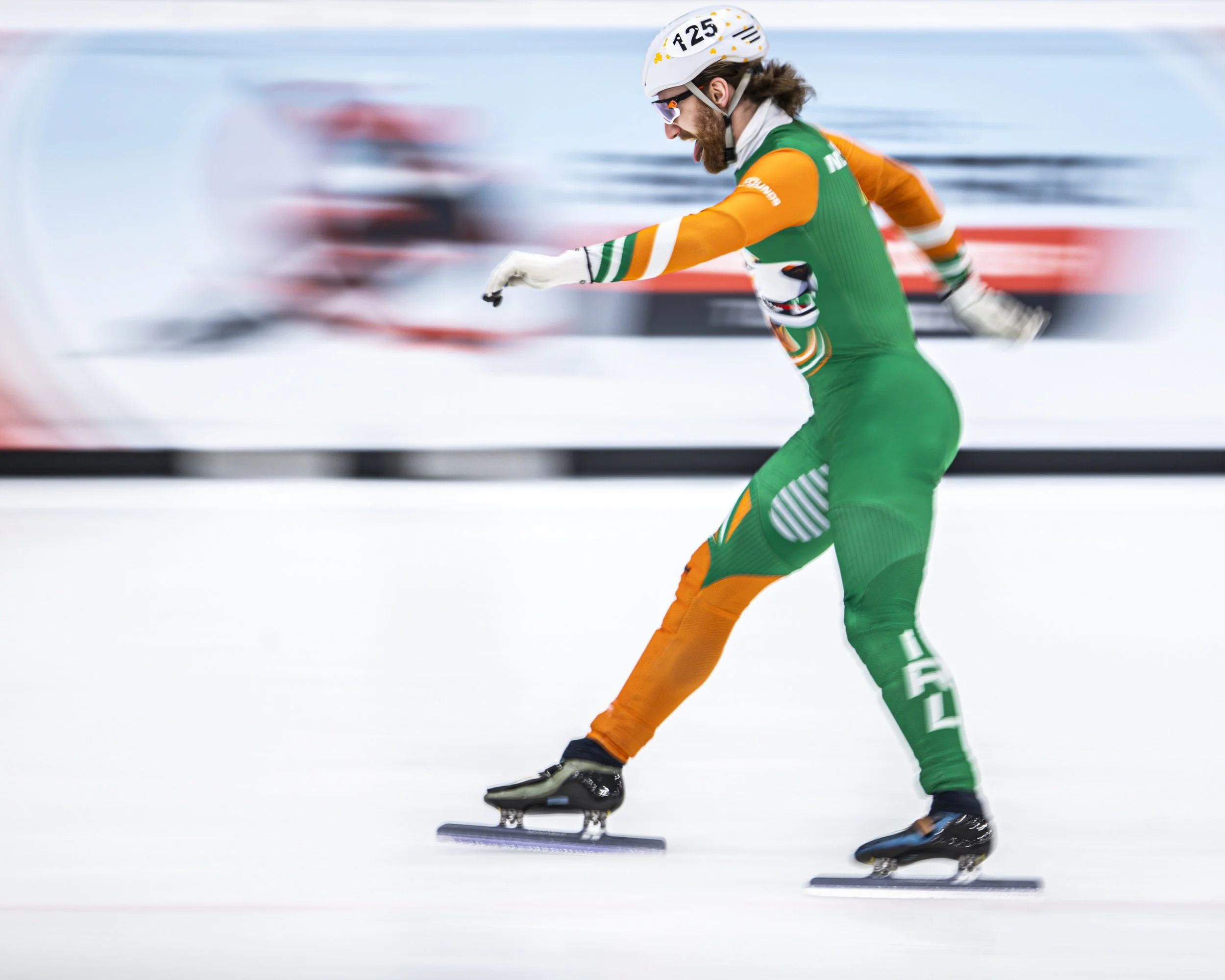
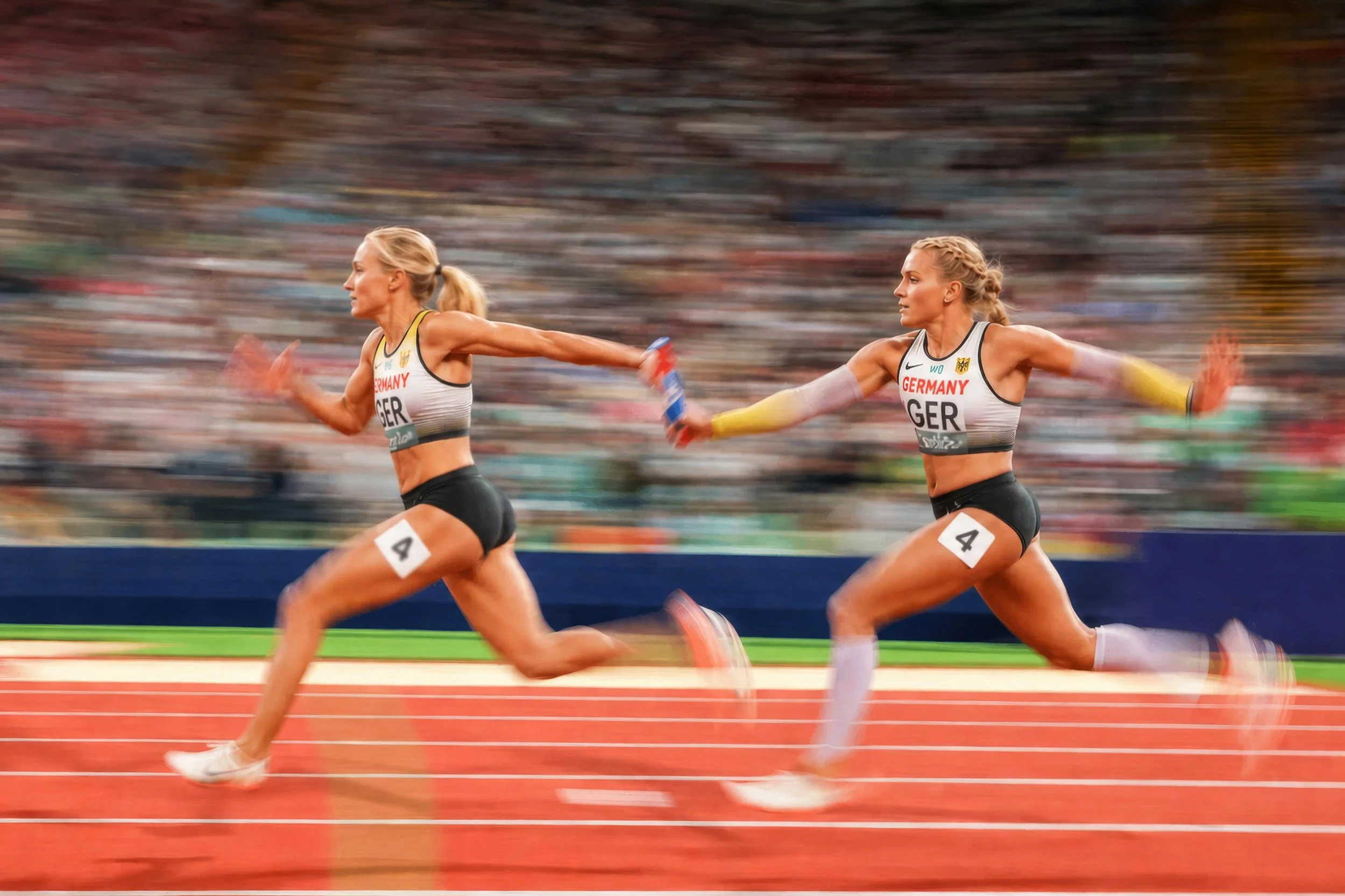
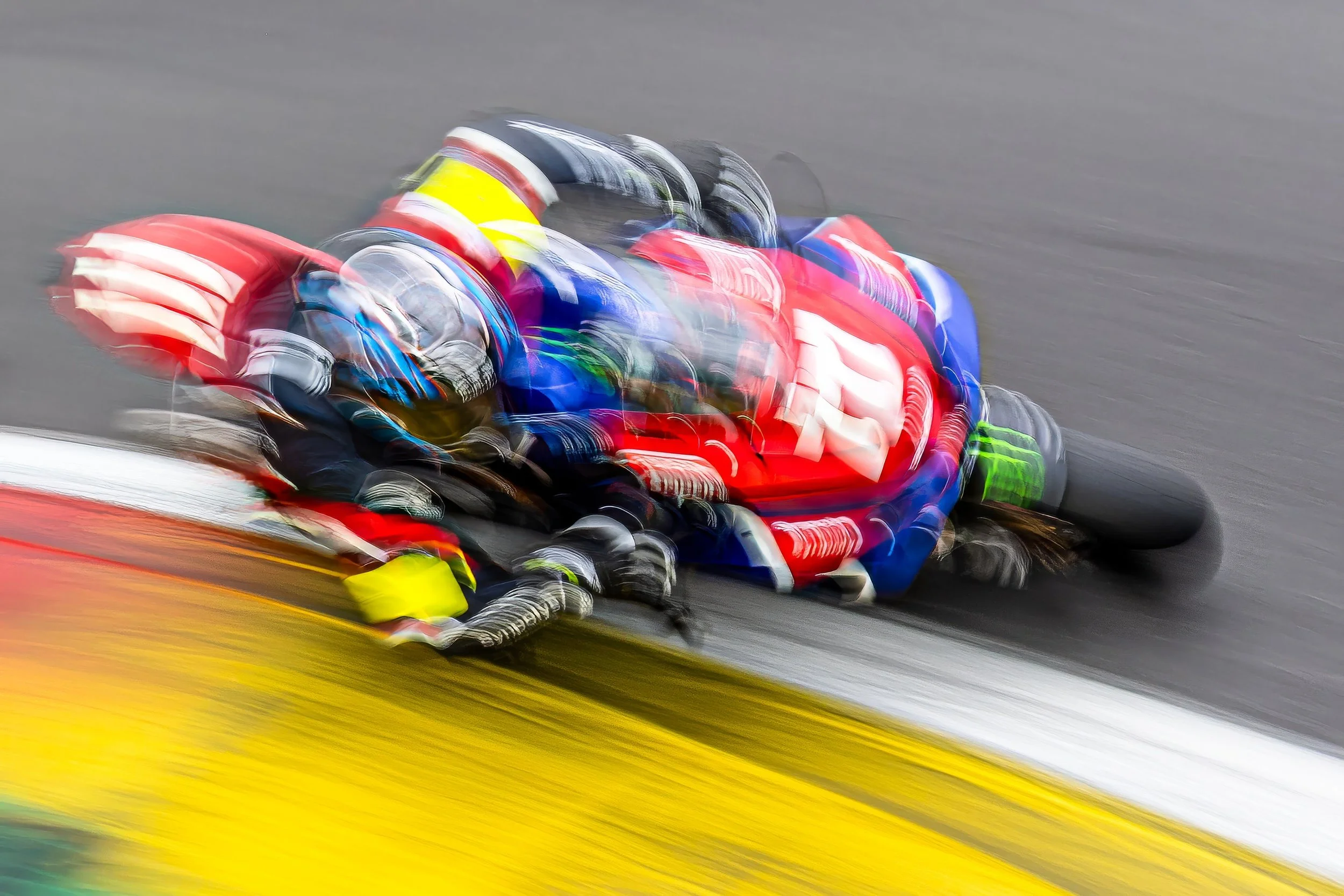
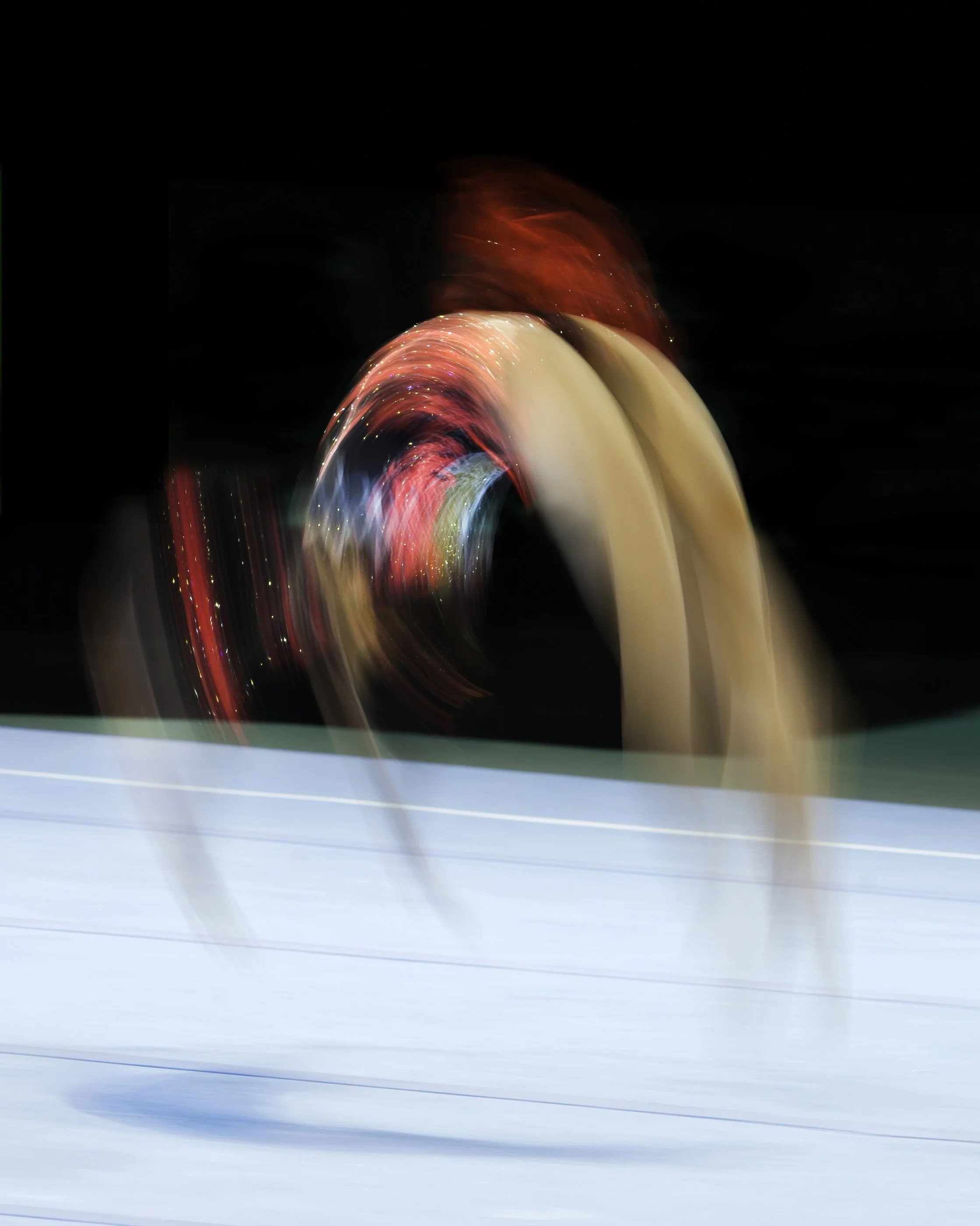
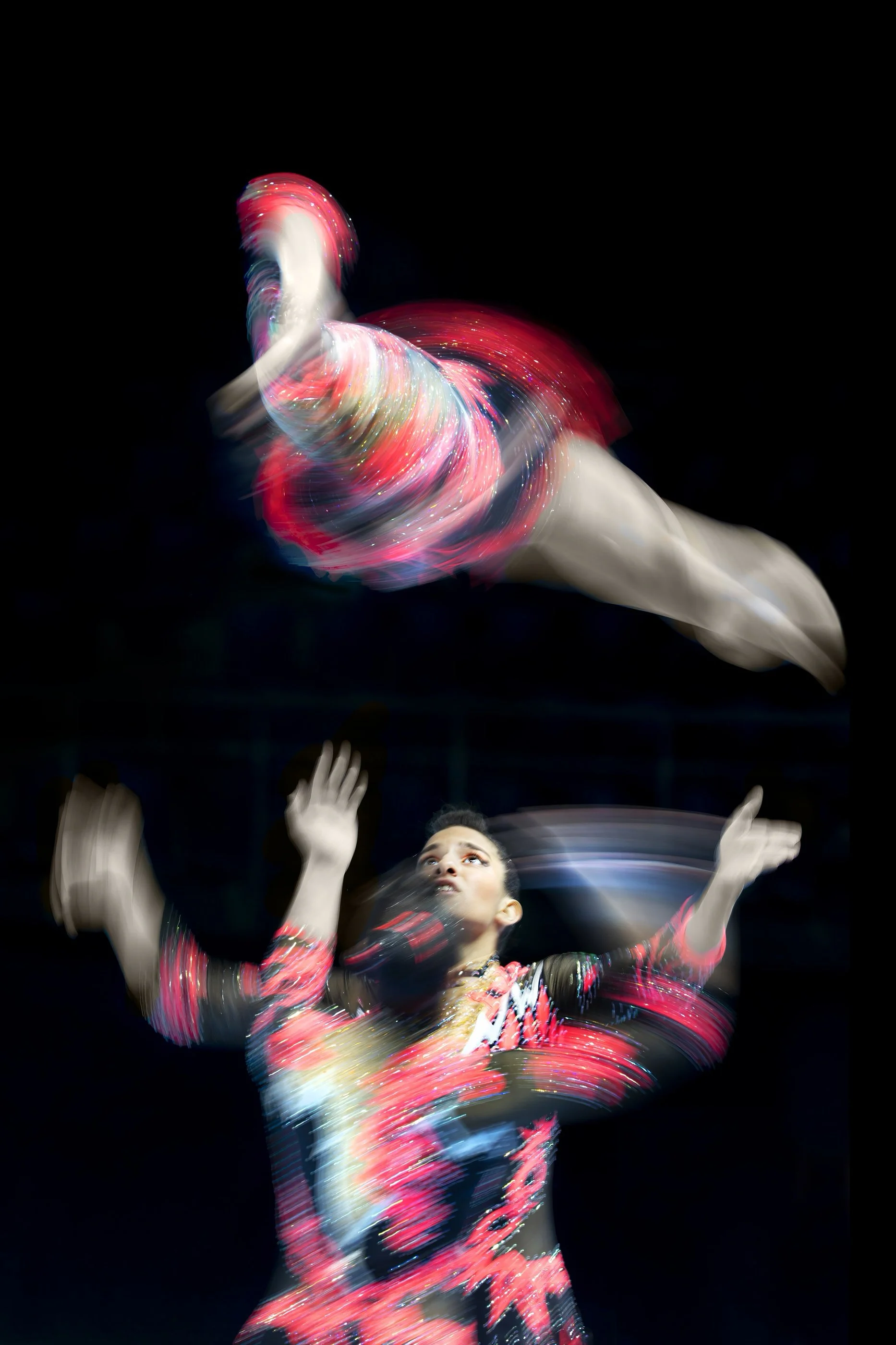
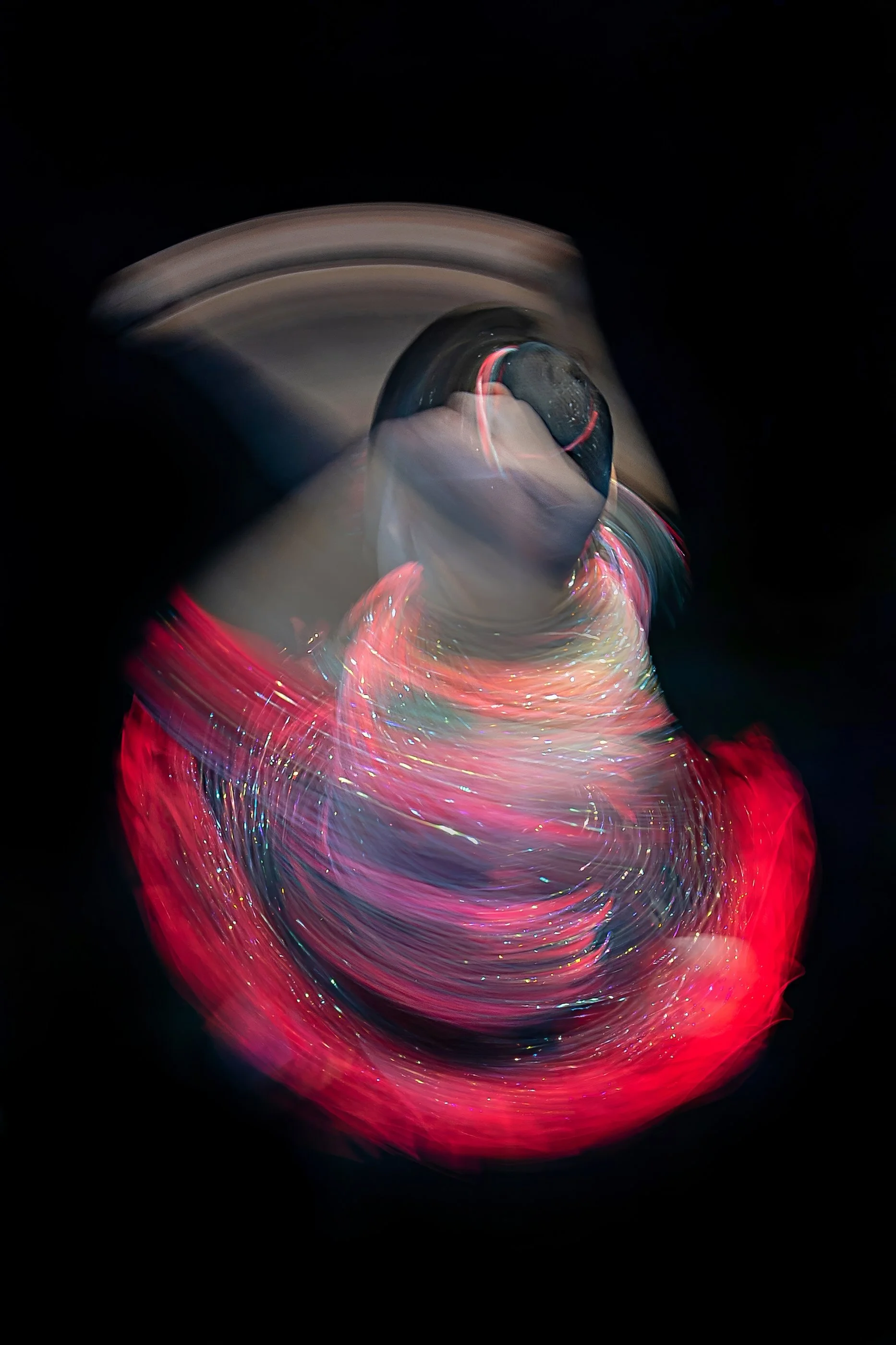
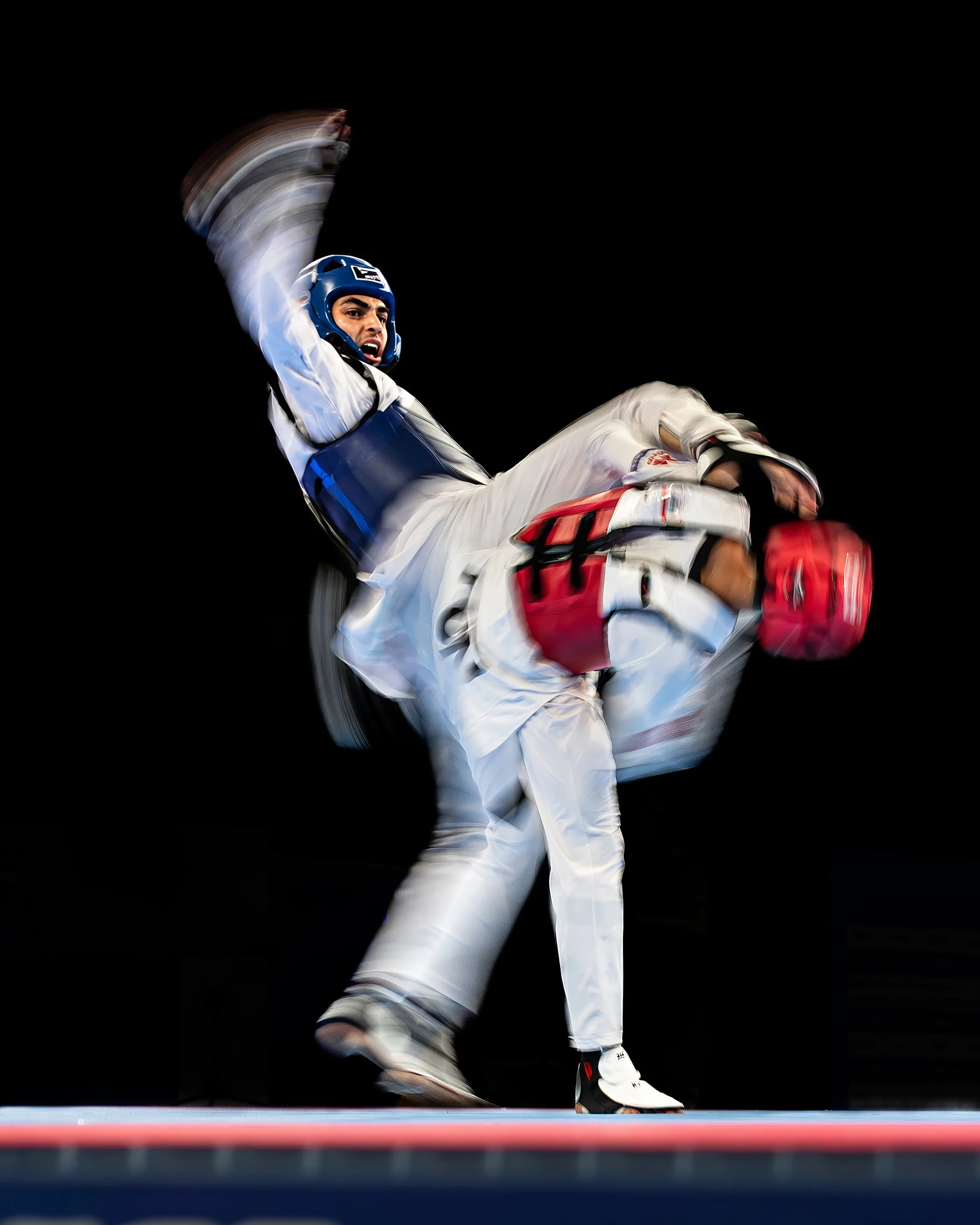
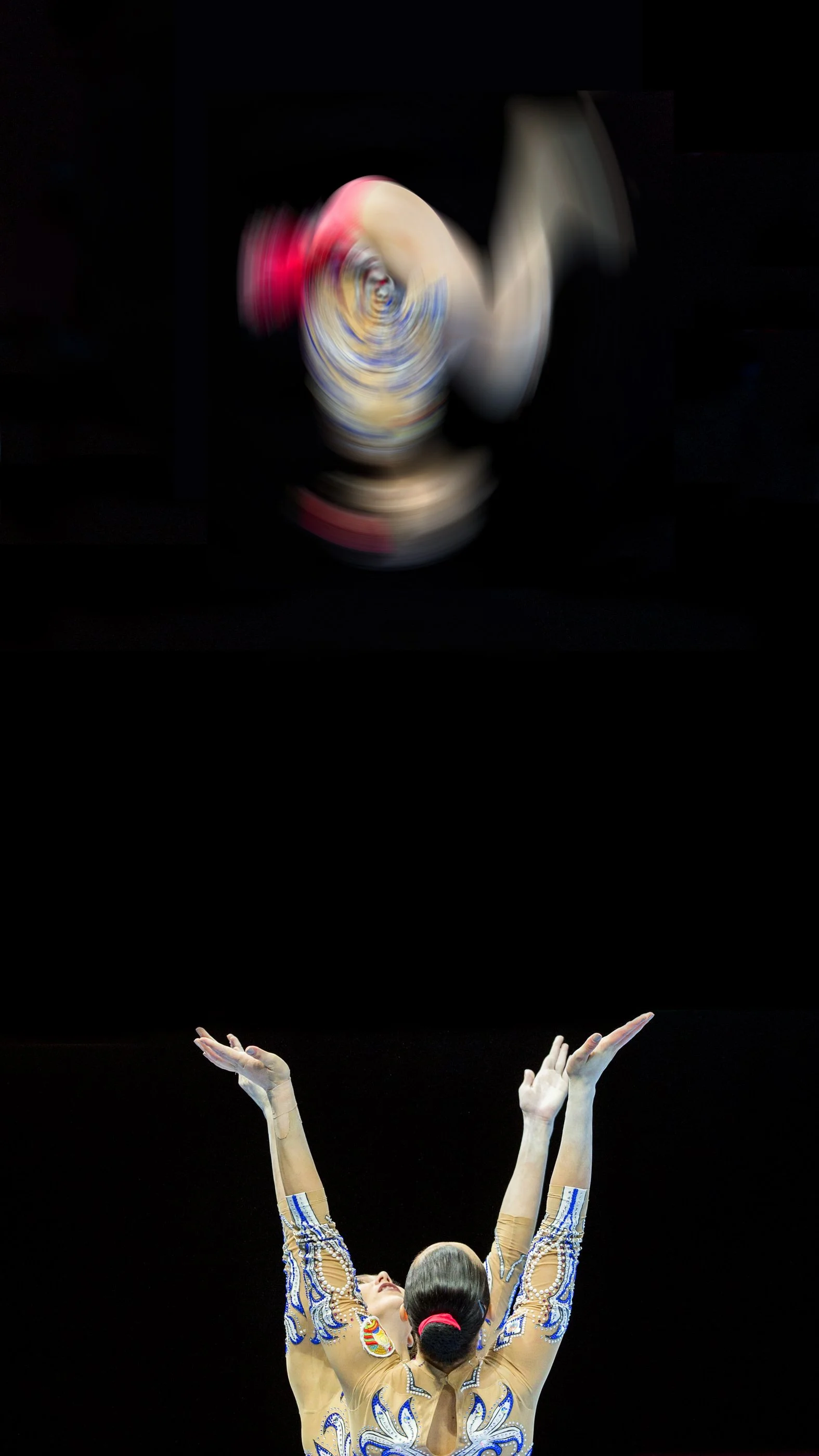
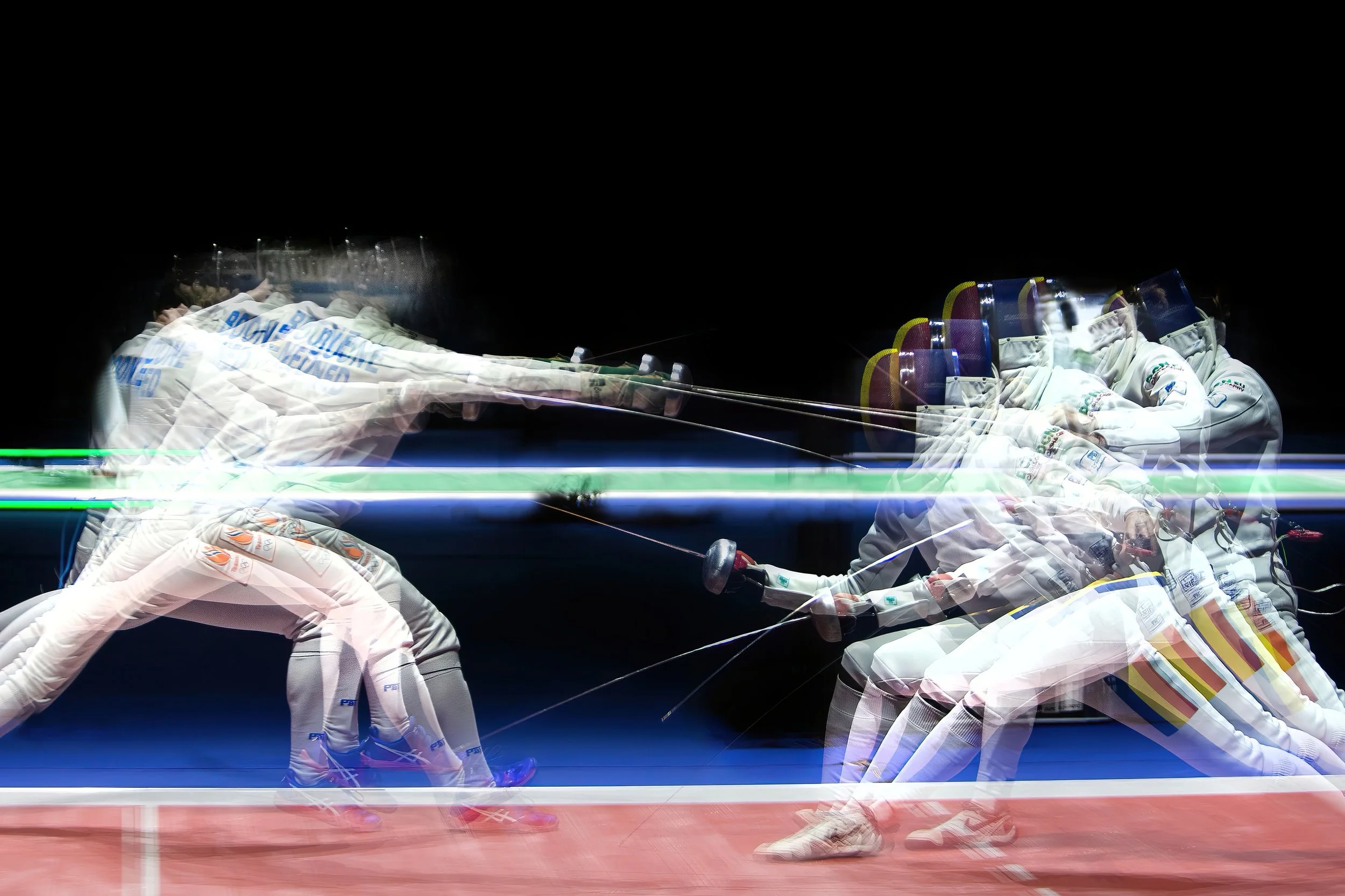
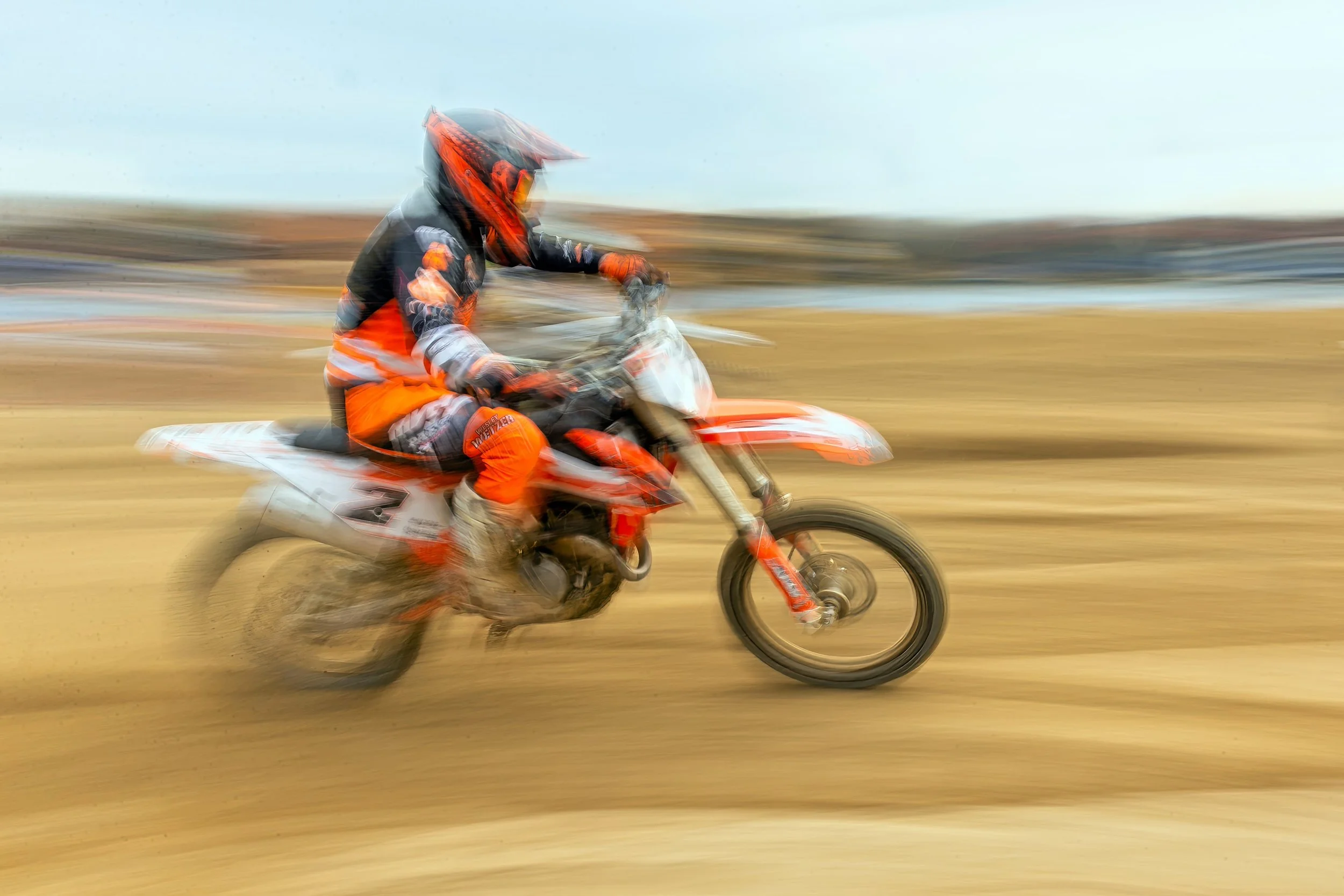
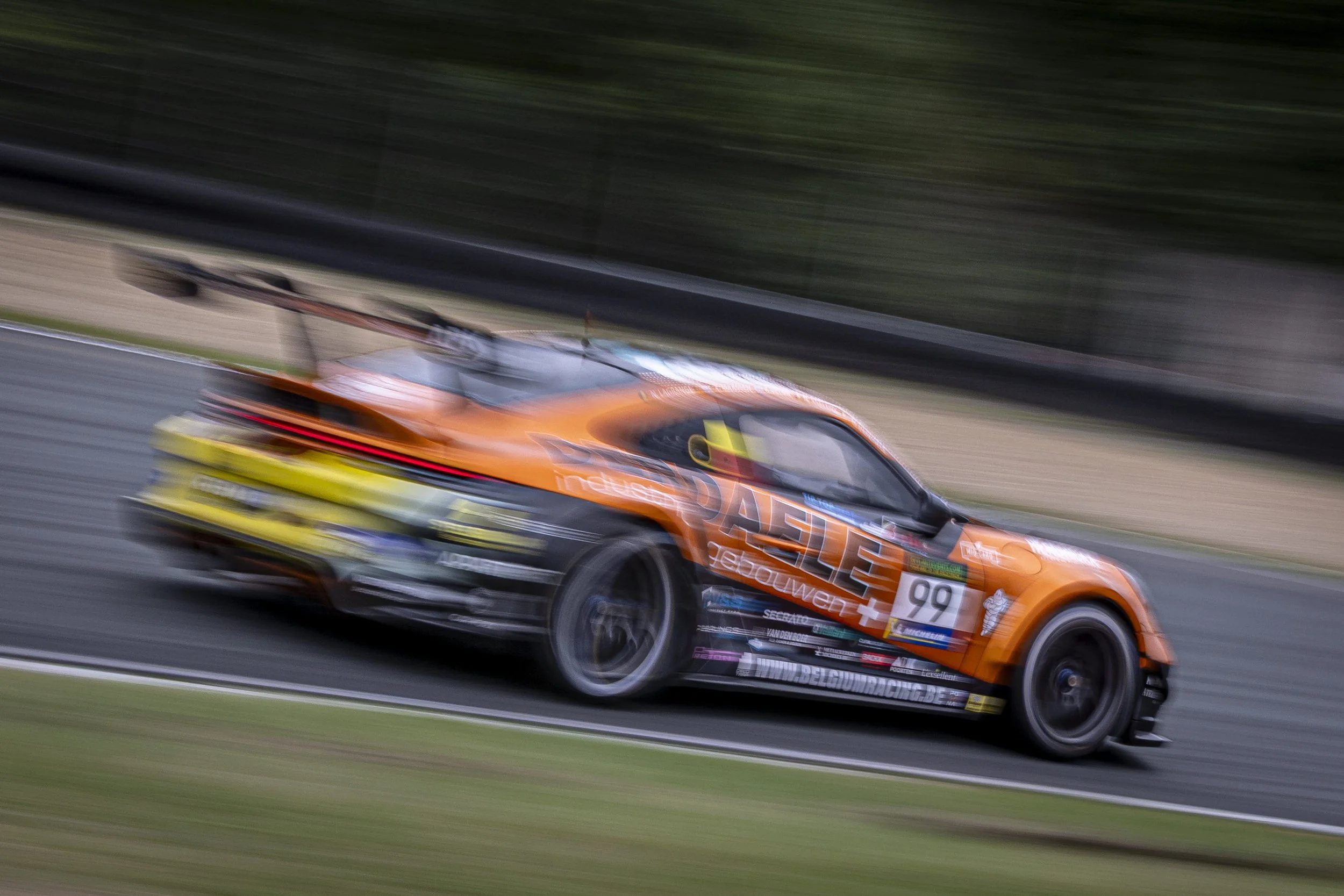
The Motion explores a different way of looking at sport. Instead of freezing an athlete at a fraction of a second, I deliberately use slower shutter speeds to allow movement to become visible within the photograph. The result is not simply a record of what happened, but an interpretation of how the moment felt.
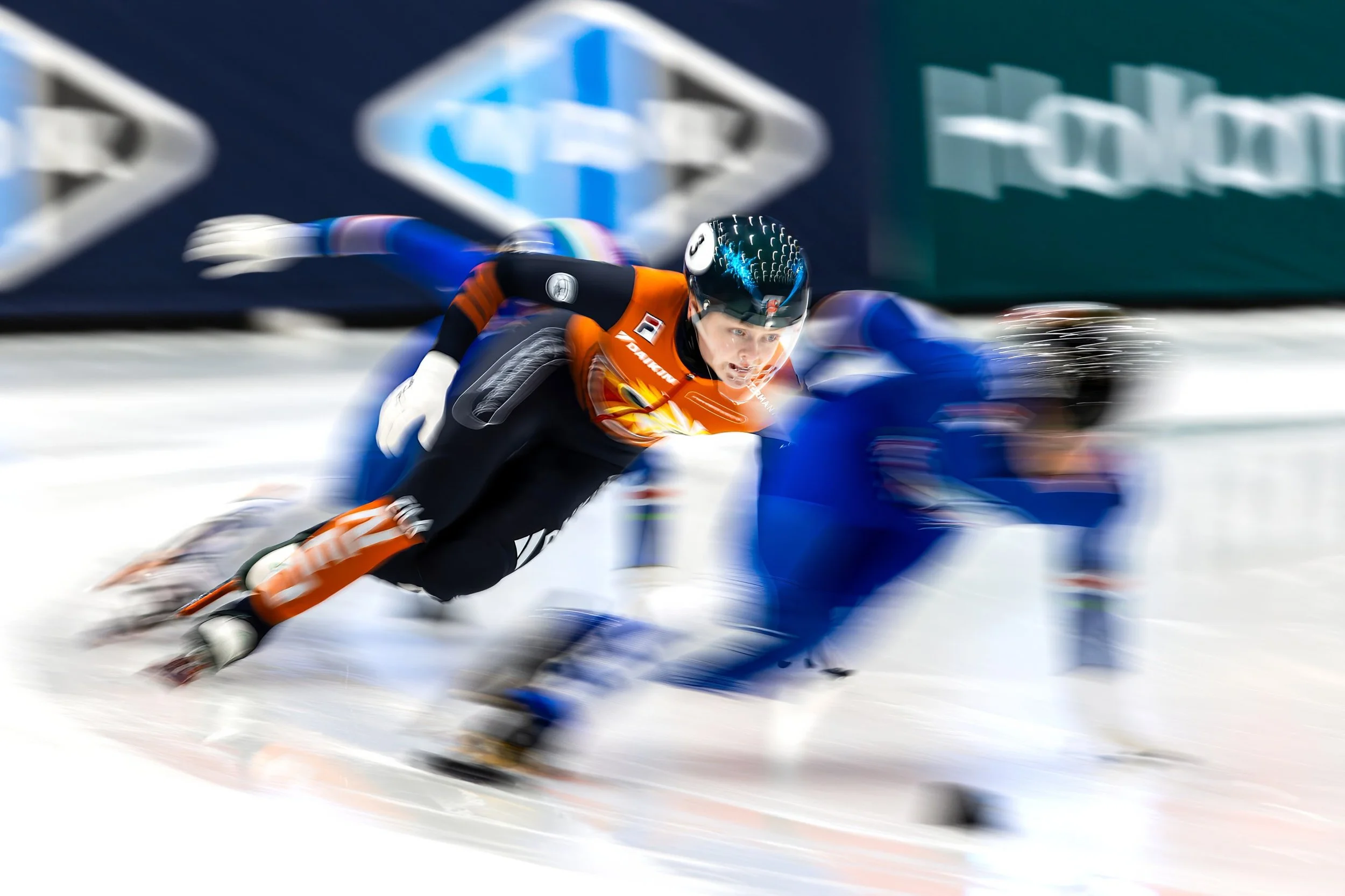
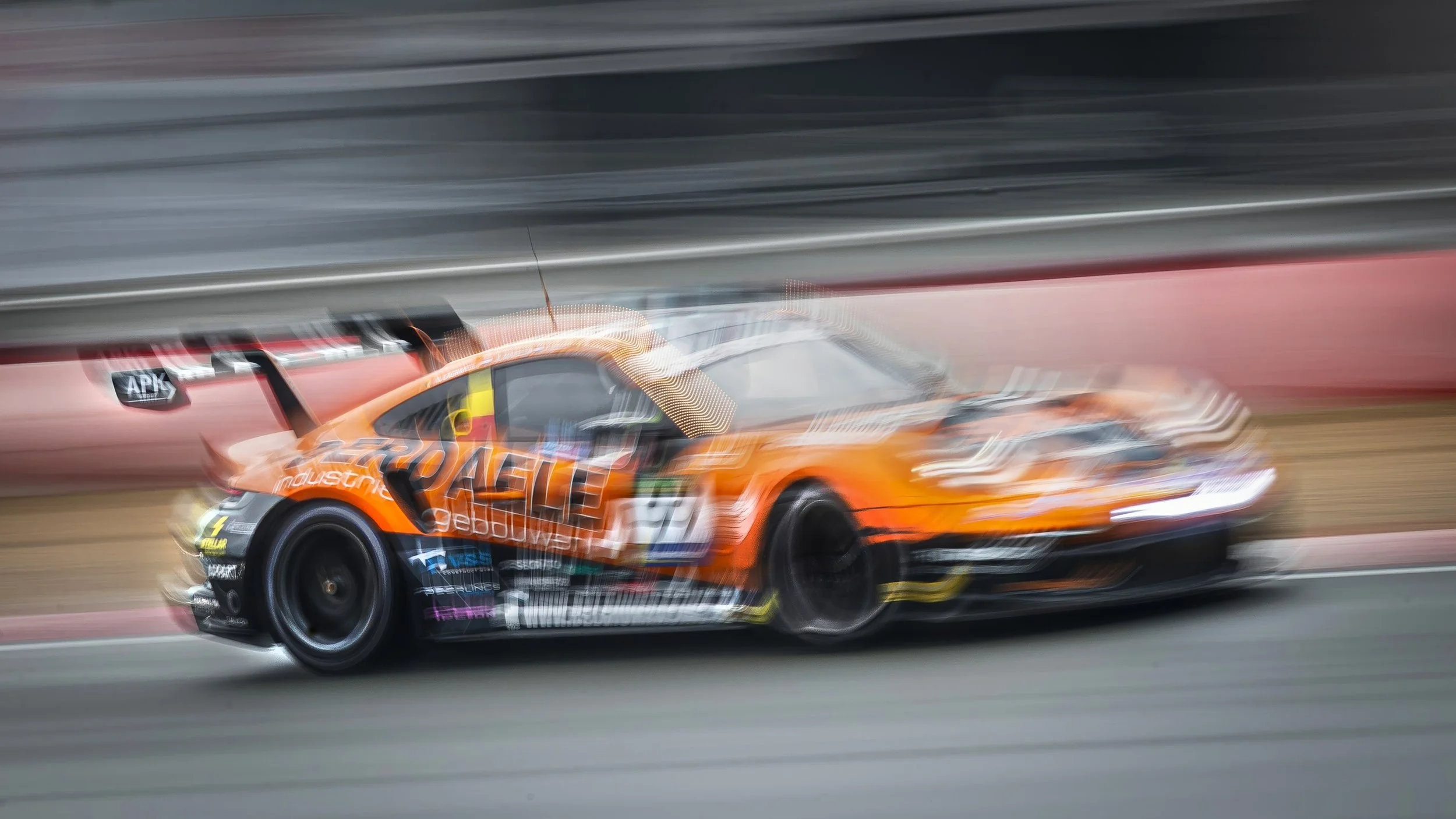
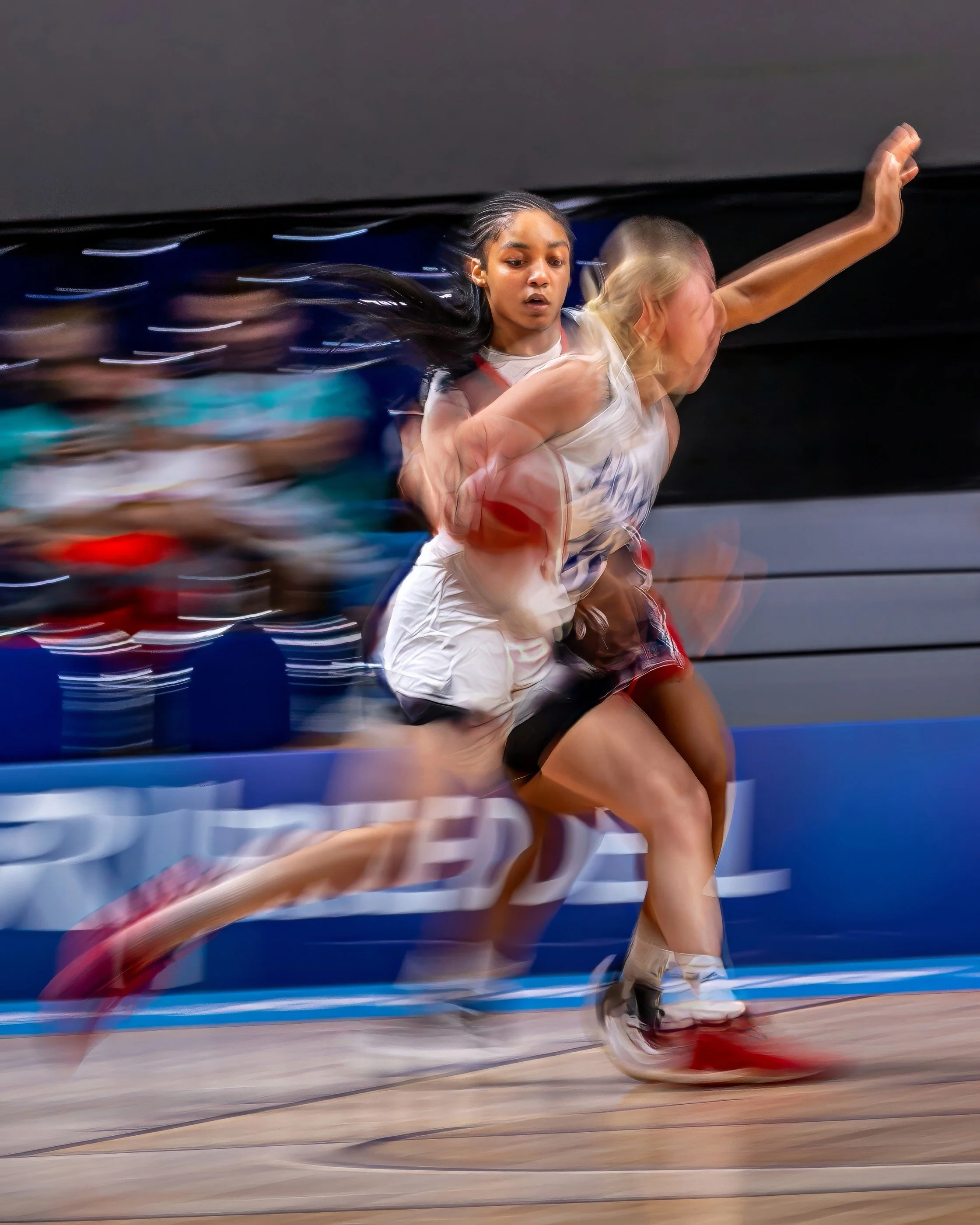
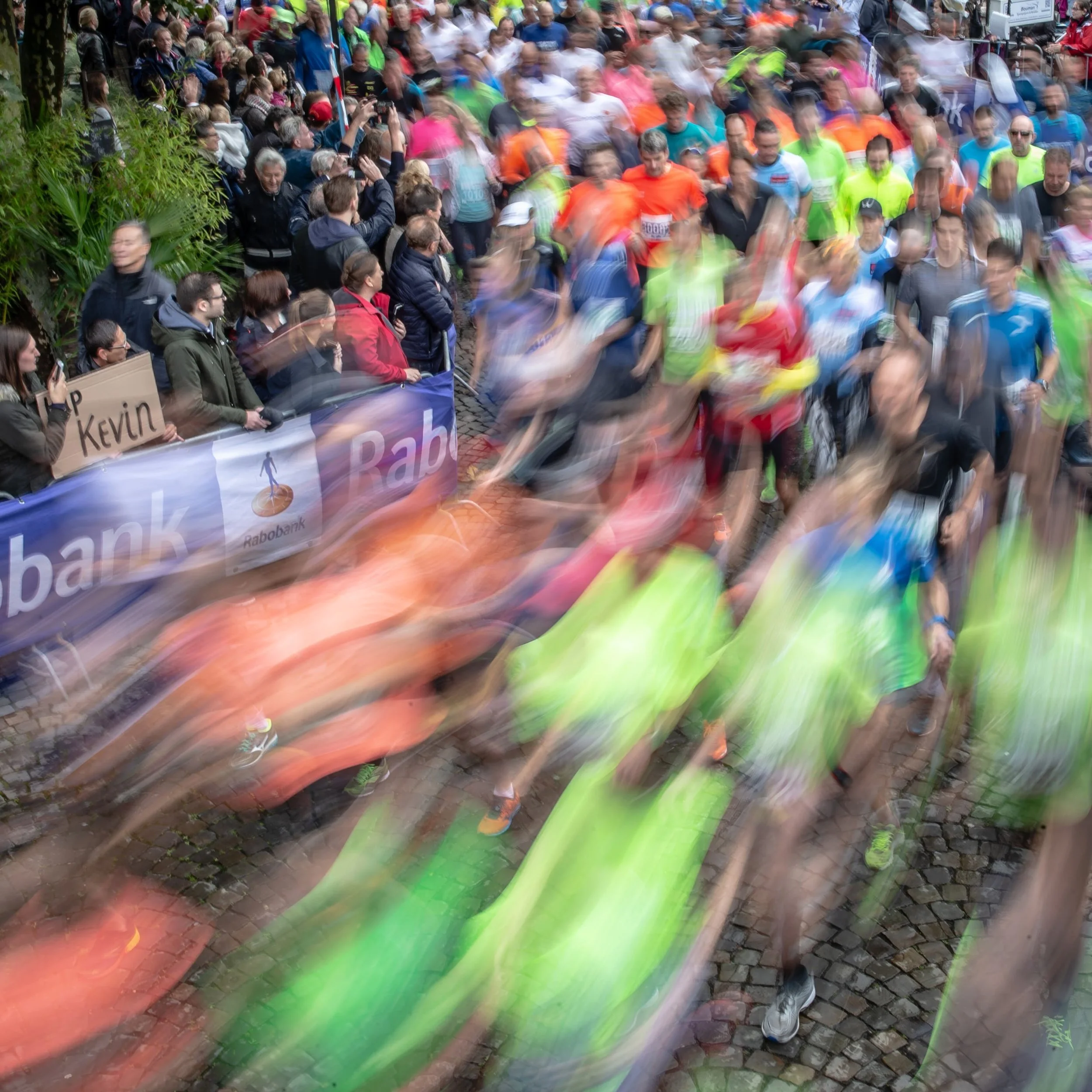
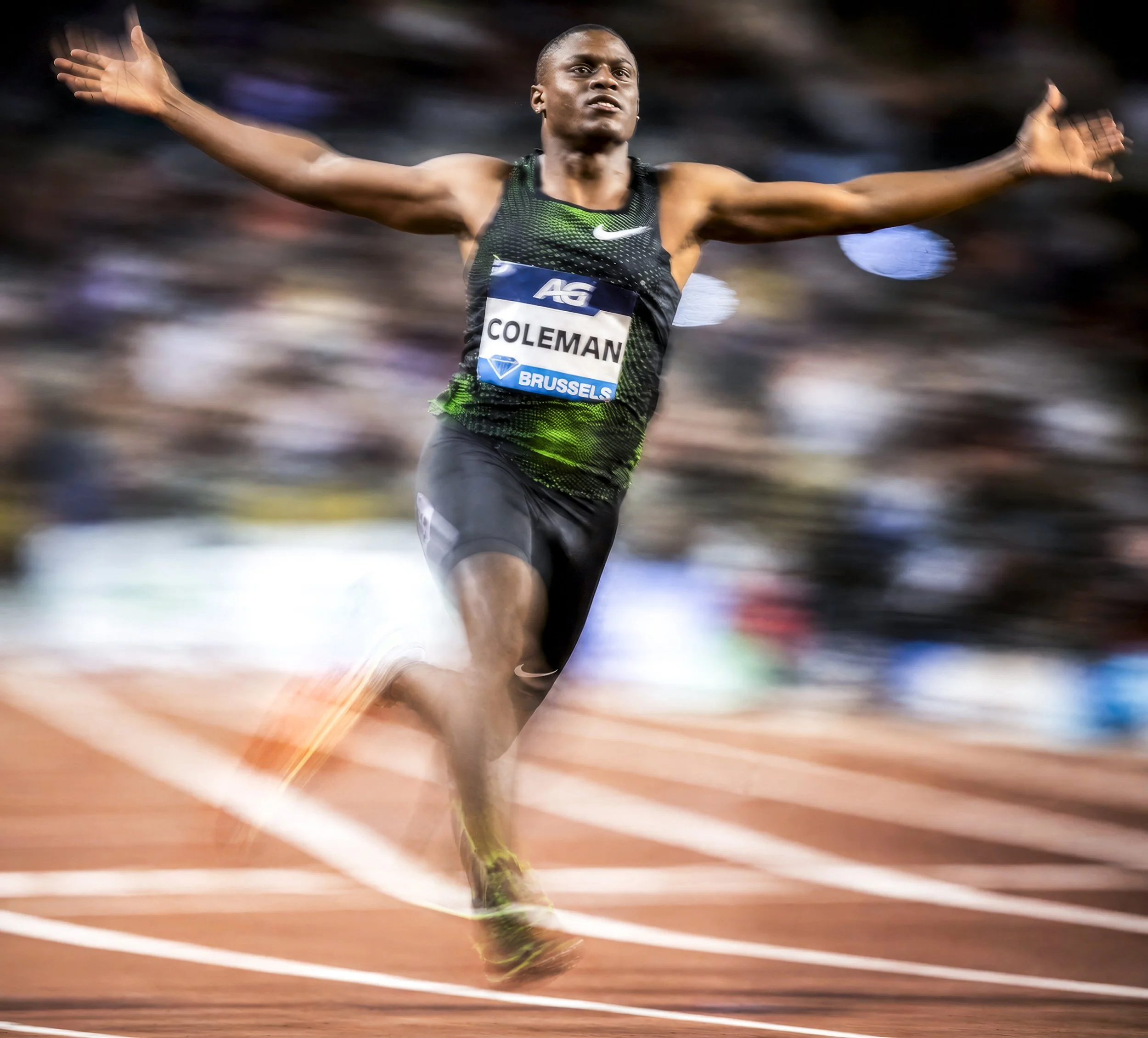
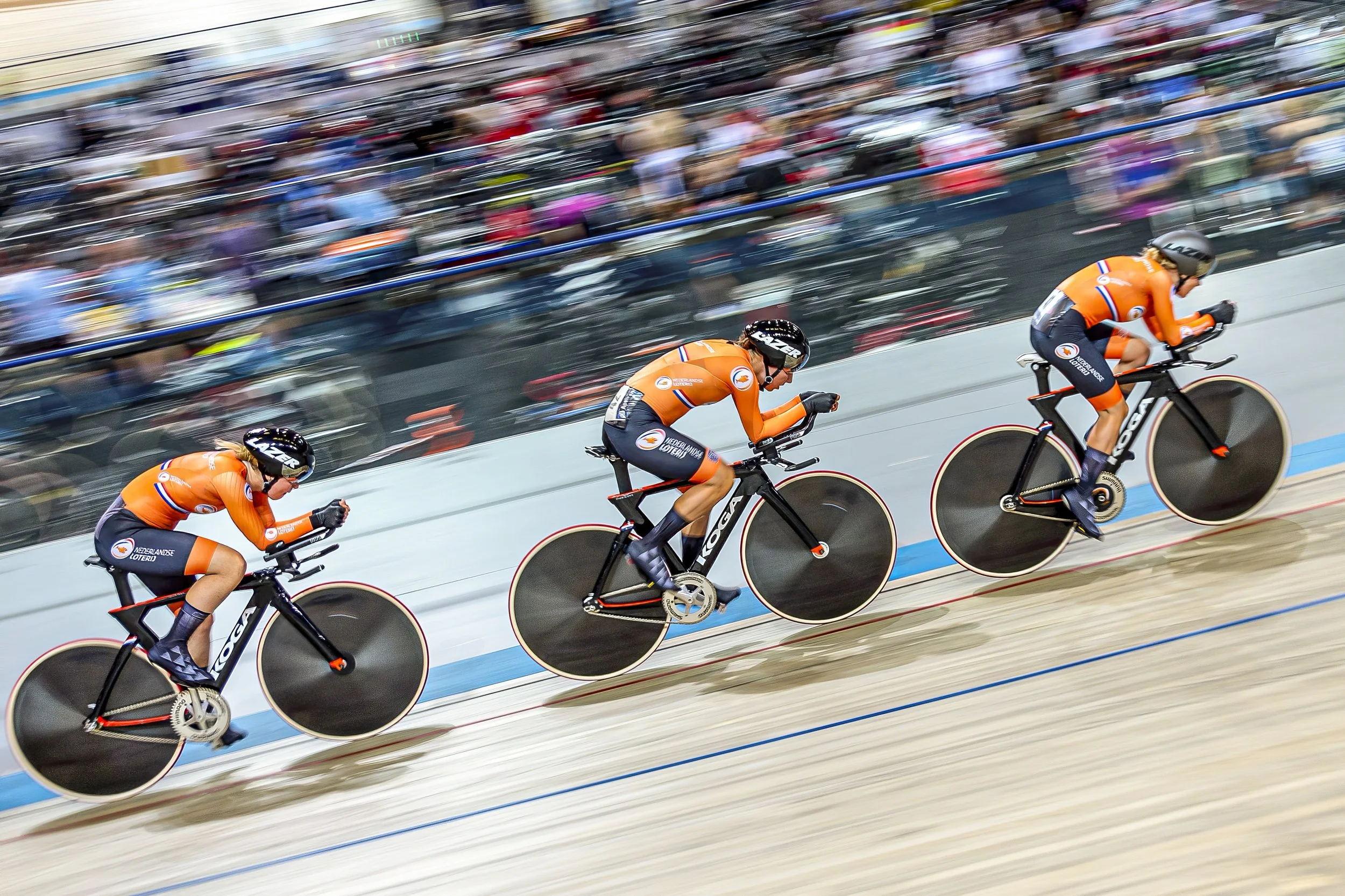
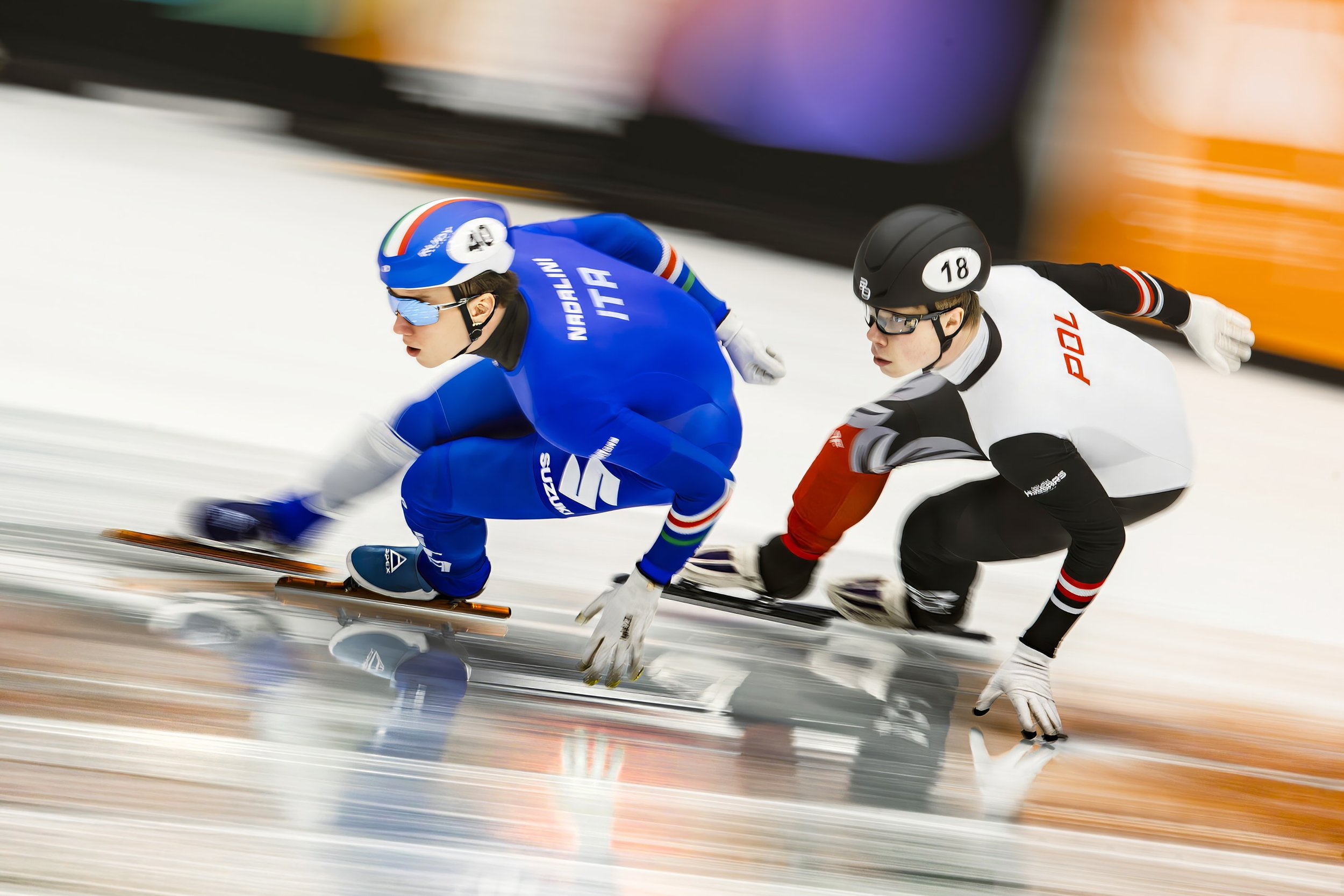
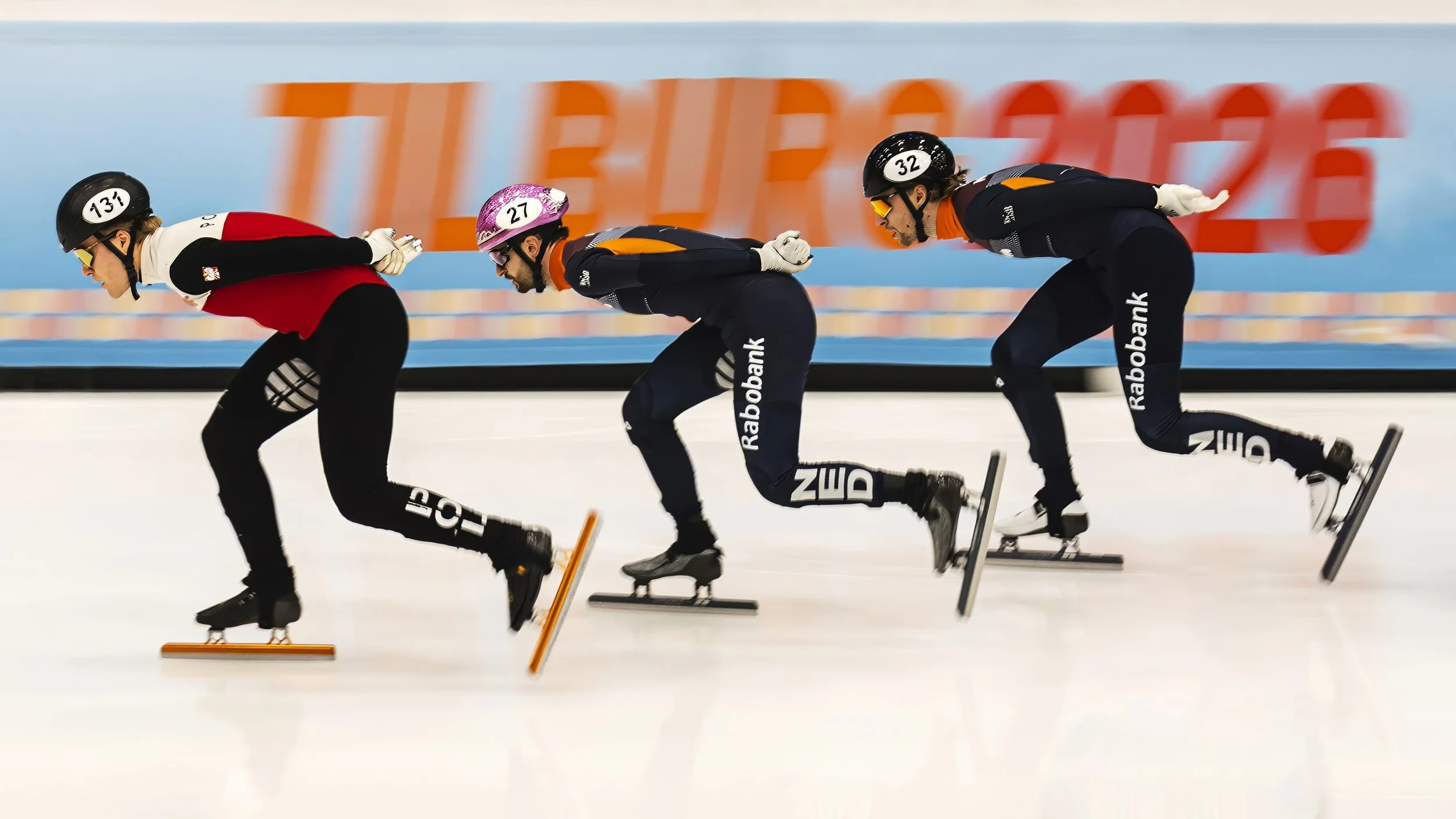
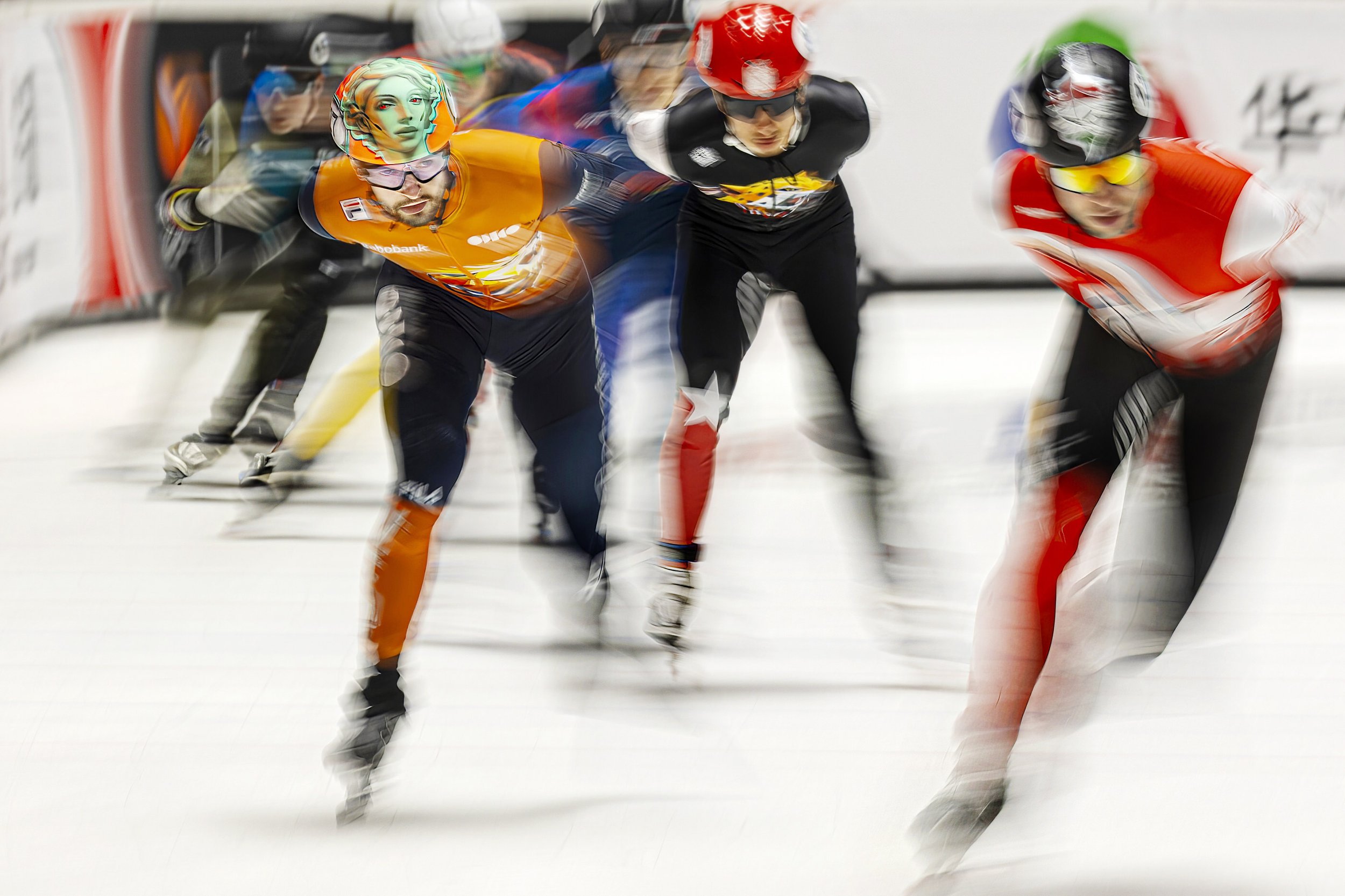
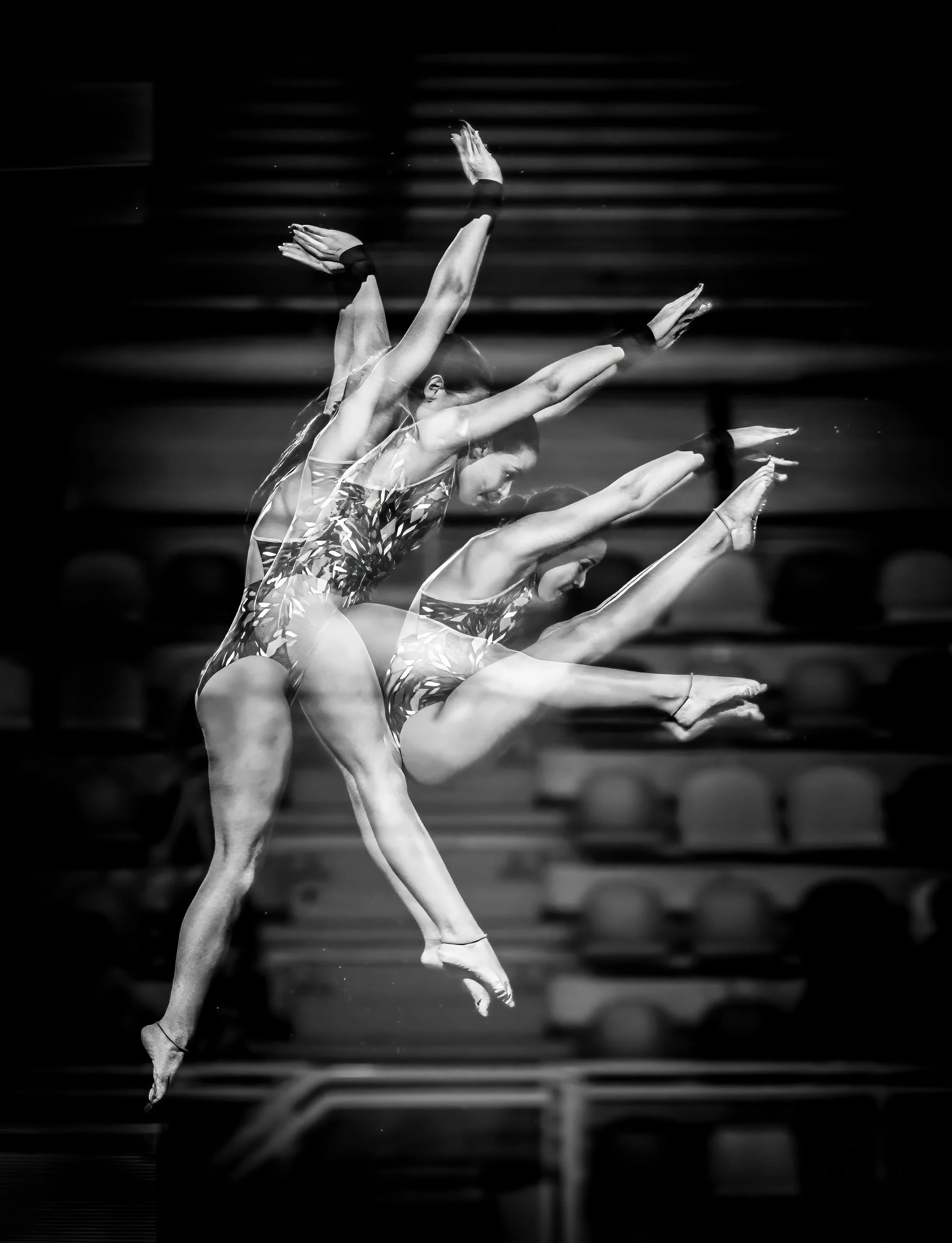
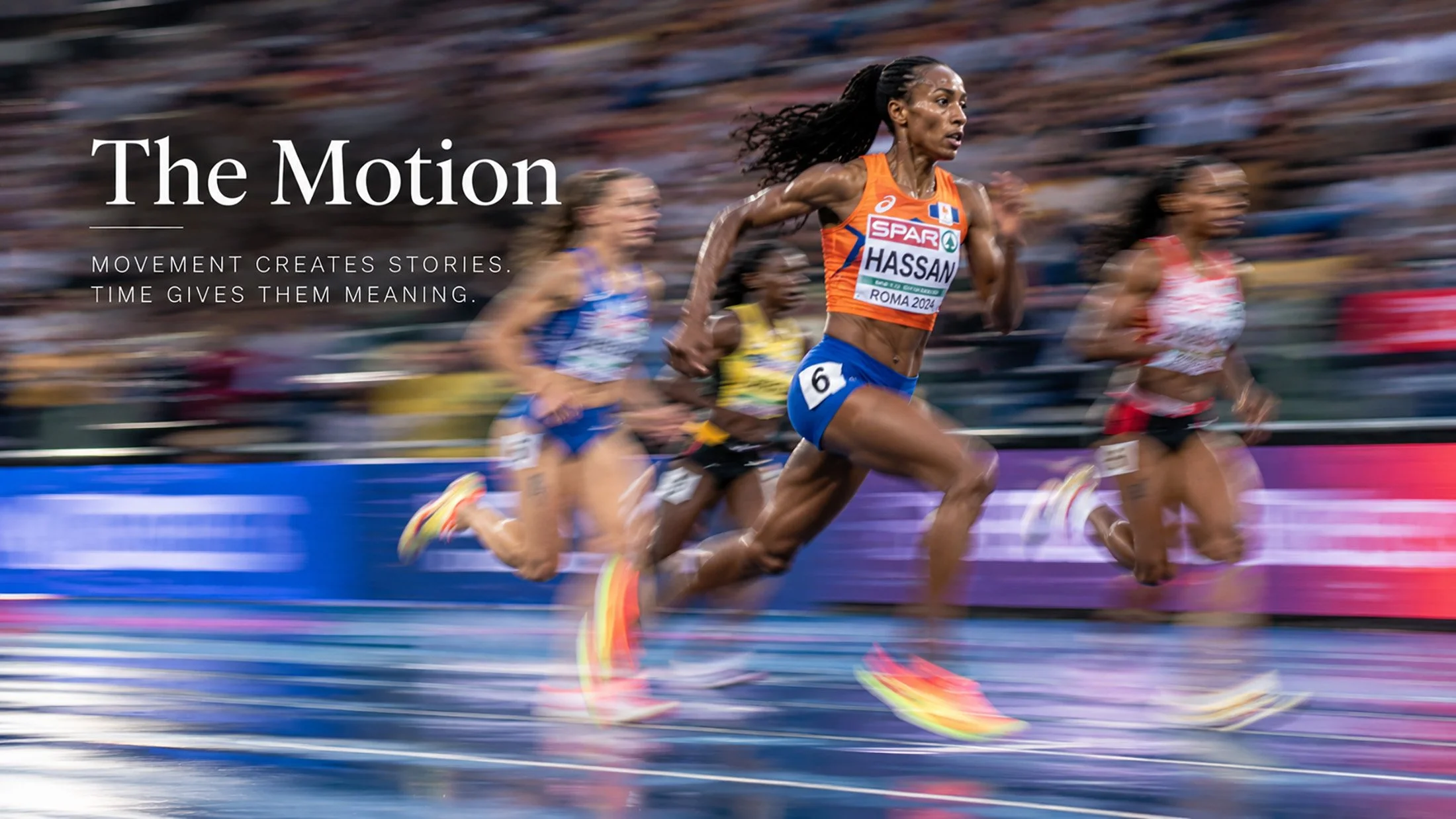
Sport is movement. Athletes accelerate, turn, jump, fight and flow through space, and I want that energy to remain present in the image. By panning the camera with an athlete or allowing movement to blur across the frame, speed becomes a visual element in its own right. Bodies stretch into shapes, backgrounds dissolve into lines and colours, and familiar sporting scenes can take on an almost painterly quality.
Working with slow shutter speeds also introduces uncertainty. Unlike freezing action with a fast shutter speed, the final image can never be completely predicted. Small differences in the movement of the athlete, my own camera movement and the chosen shutter speed can dramatically change the result. That unpredictability is part of what makes this approach so fascinating to me.
The challenge is finding the right balance between sharpness and blur. I often want enough detail to recognise the athlete or understand the sport, while allowing other parts of the image to dissolve into movement. Sometimes the face remains relatively sharp while everything around it appears to rush past; in other photographs, movement itself becomes the main subject.
These images are therefore less concerned with documenting the exact fraction of a second in which something happened. They are about communicating speed, rhythm, direction and energy — elements that are central to the experience of sport.
The Motion is about making movement visible. By stretching a fraction of a second into something we can see, motion becomes more than an effect — it becomes a visual language for expressing the energy, rhythm and emotion of sport.